Nobody comes to Los Gigantes for the shopping — and that is half its charm. But the island around it sells everything from farm cheese to designer sunglasses, often at prices that surprise: the Canaries sit inside the EU customs union but outside its VAT territory, with a low local tax (IGIC, 7% general rate) instead.
Markets first (days verified July 2026)
- Alcalá, Monday 9:00–14:00 on the Plaza del Llano: produce, clothes and household stalls ten minutes from your door.
- Playa San Juan, Wednesday 9:00–14:00, beside the beach.
- Los Cristianos on Sunday, roughly 9:00–15:00: the coast’s biggest browse; arrive before 11.
- Torviscas / Costa Adeje runs Thursday and Saturday mornings on the seafront.
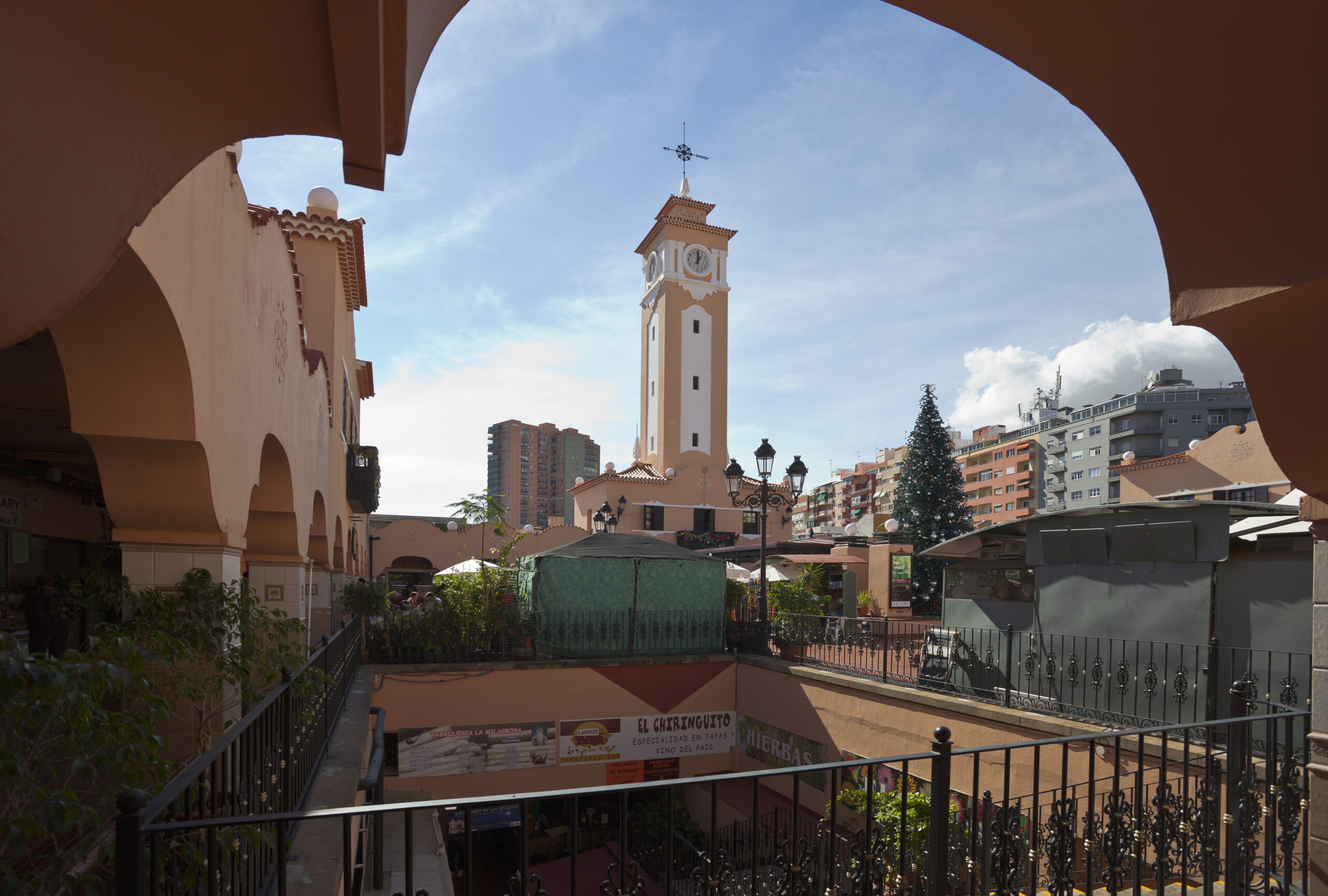
- Mercado Nuestra Señora de África, Santa Cruz — the island’s handsome 1940s food hall: cheeses, mojo, spices, flowers. Mornings Monday–Saturday, with a lively Sunday rastro; pair with a capital day.
Malls and boutiques
For air-conditioned retail, Costa Adeje concentrates it: Siam Mall (open daily to 22:00, free parking and even a free shuttle from the southern resorts) covers the high-street brands, while Plaza del Duque handles the upmarket end. Electronics, perfume and spirits are the traditional Canary bargains thanks to the tax regime.
Customs: worth knowing before you fly home
Because the islands are outside the EU VAT/excise area, even travel to mainland Spain or the EU is treated like arriving from outside the EU for these goods: the standard allowances are 200 cigarettes, one litre of spirits and other goods to a value of €430 for air travellers (UK arrivals follow the UK’s own non-EU allowances; see gov.uk). Keep receipts for anything shiny.
What actually belongs in your suitcase
Jars of red and green mojo, a bag of toasted gofio, Tenerife wine from volcanic vineyards, banana liqueur, island-farm aloe vera and, if you can keep it cool, smoked Canarian cheese. All of it appears at the weekly markets for less than at the airport.
Photo: Diego Delso, delso.photo, CC BY-SA 3.0, via Wikimedia Commons