Los Gigantes Vacation Rentals

Category: Uncategorized

  • Adrenaline on Tenerife: paragliding, canyons, surf and the open ocean

    Adrenaline on Tenerife: paragliding, canyons, surf and the open ocean

    For an island sold on sunbeds, Tenerife hides a serious adventure résumé, and most of it books as a guided day out, no experience required for the tandem and beginner versions. Ratings and prices are as listed at the time of writing (July 2026).

    From the air

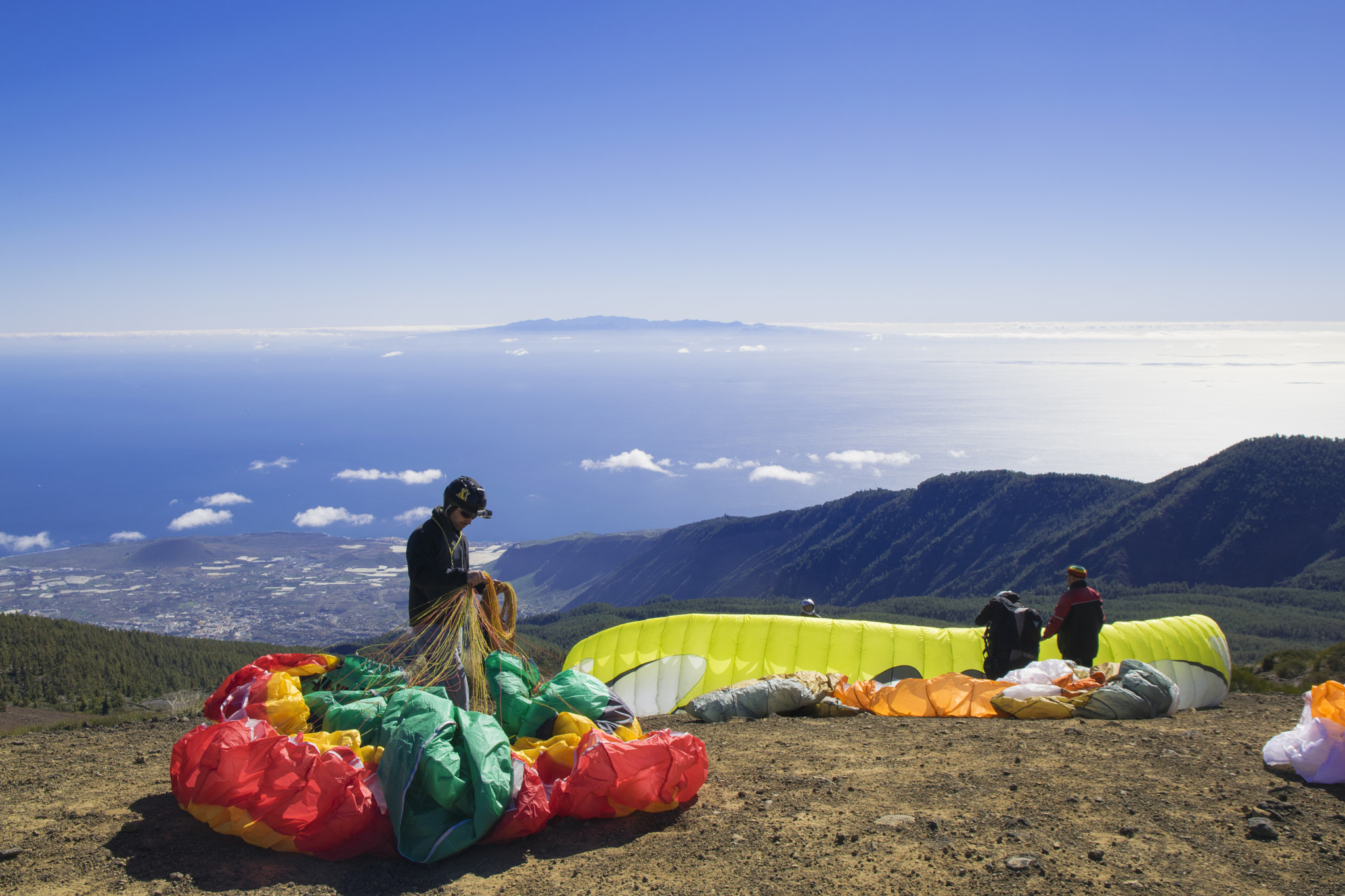
    Tandem paragliding is the west-coast classic: launch from the slopes above Adeje and ride the thermals down to a beach landing at La Caleta, the whole coastline under your feet. The standout operator by volume and score is Overfly Tenerife — around 4.9 with well over a thousand reviews, flights listed from about €115 (higher tiers to €145) with free pickup from the southern zone.

    On rock and trail

    Canyoning means guided abseils, slides and jumps down volcanic barrancos; the Los Arcos canyon product rates about 4.8 across a couple of hundred reviews, from roughly €75, and the Los Carrizales canyon drops through the Teno hills practically next door. The Masca descent is not technical, but it is a genuinely demanding gorge hike ending at the sea, now permit-only with a compulsory boat exit to Los Gigantes (see our hiking guide for the current rules).

    On wheels, the southern resorts run dusty quad and buggy tours of the backroads, there are buggy trips on the flanks of Teide, and the renovated Karting Las Américas track has junior karts and sessions from about €49.

    On the water

    Big-game fishing charters leave Los Gigantes marina itself, with around twenty boats listed on charter platforms: shared half-days from roughly €70 per person, private boats from a few hundred. The seabed falls to a thousand metres barely three miles out; blue marlin run June to October, tuna most of the year.

    Learners after surf head for the Las Américas beach breaks, where top-rated schools include Tenerife Surf Point, around 4.8, and federation school Ocean Life, with group lessons from about €35–40. Kitesurfers own the windy sands of El Médano — Red Rock’s academy draws standout beginner reviews; course prices vary by school. And the full seaside arsenal of jet-ski safaris, parasailing and flyboard operates out of Puerto Colón, twenty-five minutes south.

    One sensible note: the Atlantic is not a lake. Book licensed operators, listen to the briefing, and let the guides call off a day when the swell says so; they know this coast.
  • Wild neighbours: the plants and animals of west Tenerife

    Wild neighbours: the plants and animals of west Tenerife

    Step off the pavement anywhere around Los Gigantes and you are in the cardonal-tabaibal — the candelabra-cactus scrub that clothes Tenerife’s sun-baked lower slopes. It looks half-desert; it is actually a botanical garden of species that exist nowhere outside these islands.

    Plants you will actually meet

    • Cardón and tabaiba — the sculptural succulents on every slope between town and Punta de Teno. Admire, don’t touch: cardón’s white latex is caustic.
    • The Canary Island pine is the fire-adapted giant of the uplands: thick bark, and it resprouts green from blackened trunks (the slopes around Chinyero show it beautifully). Its long needles literally comb water from the cloud sea.
    • Icod’s famous dragon tree, the Drago Milenario, is “thousand-year-old” by name; because dragon trees form no growth rings, science can only bracket it at roughly 400 to 1,000 years. Several centuries, at minimum, of quiet judgement.
    • Tajinaste, a note before you go: the metre-high crimson spires on postcards (Echium wildpretii) grow up in Teide National Park, blooming roughly mid-May to June, and are strictly protected. Around Teno you’ll meet their shrubbier blue and white cousins on spring ridges instead.
    • Laurisilva — above Erjos, the Monte del Agua laurel forest is a surviving fragment of the subtropical woodland that covered the Mediterranean millions of years ago: permanent shade, moss, and endemic pigeons.

    Animals, from the wall to the cliff face

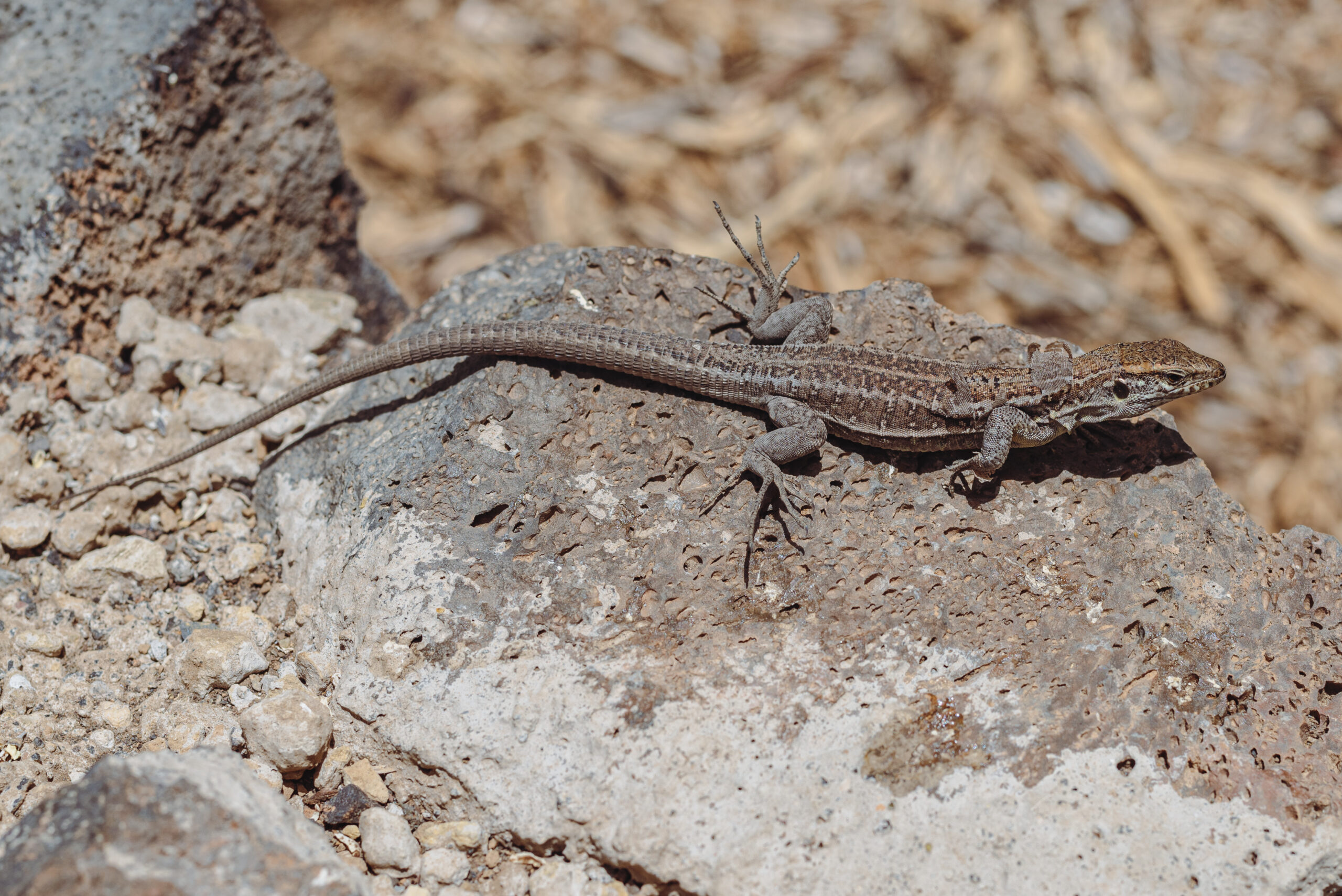
    The Tenerife lizard is everywhere — males flash blue spots along their flanks — and endemic geckos patrol villa walls after dark. Kestrels hover over every barranco; ravens and Barbary falcons work the Teno ridges. Two stories deserve telling. First, the cliffs you look at every day hide a ghost: the Tenerife giant lizard, believed extinct until its rediscovery in 1996, survives on inaccessible Teno ledges; you will not see one, and that is rather the point. Second, these same cliffs are the island stronghold of the osprey: park-project reports counted only around six breeding pairs across the whole archipelago, and celebrated a chick fledging here in 2025 — the first since 2022. If a big white-bellied raptor plunge-dives for fish beside your boat trip, you have won the wildlife lottery.

    Listen, too, on summer nights: the eerie wailing over the town is Cory’s shearwaters returning to cliff colonies. When the chicks fledge in late October and November, some are grounded by street lights — the islands run an annual rescue campaign, and the drill is simple: ventilated box, call 112, never release a bird at night near lights. And yes, the wild canary is genuinely wild here, dull green-yellow, nothing like its cage-bred cousins, singing in the greener valleys. Offshore, the Teno–Rasca marine strip is Europe’s first certified Whale Heritage Site, with a resident pilot-whale population estimated in the hundreds.

    Seeing it — and the rules

    The Mirador de Archipenque above town gives the cliff panorama with kestrels for company; La Cruz de Hilda overlooks the Masca ravine with a café terrace. Two access notes as of 2026: the old cliff-base walk at Barranco Seco is officially closed for rockfall danger, and Punta de Teno lighthouse is reachable only by the local bus during roadworks. Everywhere: collecting plants, rocks or sand is fined (commonly €600–1,500), and recreational drones are effectively off-limits across Teno, Chinyero and the Masca gorge; check the official maps before you pack one.

    Photo: Flocci Nivis, CC BY 4.0, via Wikimedia Commons

  • Hiking from Los Gigantes: the routes, the rules and staying safe

    Hiking from Los Gigantes: the routes, the rules and staying safe

    Los Gigantes sits at the foot of Teno Rural Park — eight thousand hectares of ridges, laurel forest and gorges threaded with the island’s official PR-TF trail network. You can walk from the apartment door or drive fifteen minutes to a trailhead. Rules and prices below are those in force at the time of writing (July 2026); the official platforms are linked because this system genuinely changes.

    The classic routes

    • Masca gorge is the headline: ~5 km and 750 vertical metres down a canyon to the sea, rated high-difficulty by the park. Permit-only via caminobarrancodemasca.com (from €40.66 non-residents, free for island residents), 25 hikers per half-hour slot, arrival by the dedicated bus from Santiago del Teide (private cars are barred for trail users), proper boots checked at the gate, minimum 1.5 litres of water, no under-eights — and a compulsory boat ticket out to Los Gigantes unless you climb back up. Book a guided package and the permit-bus-boat admin disappears.
    • Chinyero volcano loop (PR-TF 43 / 43.3) — an easy-moderate ~8.5 km circuit of Tenerife’s last eruption site (1909): pine forest, raw black lava, Teide views. The area’s most-reviewed walk, at about 4.7 across more than two thousand AllTrails reviews.
    • Santiago del Teide → Puerto de Santiago (PR-TF 65) is the old camino real, ~6 km gently downhill from hill town to coast, ending twenty minutes’ walk from Los Gigantes. Bus up, walk home.
    • Cumbres de Baracán (PR-TF 51): a ridge walk to 1,000 metres with sea on both sides (exposed in places — not for vertigo) and goat’s cheese waiting in the Teno Alto hamlet.
    • The coastal path to Alcalá and Playa San Juan gives you 8–11 km of promenade and rough shore path straight from your door; flat, shadeless, with a bus home.
    • In season, the ~9 km almond-blossom route via Las Manchas to Arguayo turns spectacular from late January to early March. More codes for the ambitious: PR-TF 52/53 (laurel forest), 57, 58 and 59 around Teno.

    Safety, learned the local way

    The emergency number is 112, and it works with any signal on any network. Take the rescue statistics seriously without drama: island emergency services logged over two hundred rescues across the Canaries in 2025, nearly half of them on Tenerife; a rescue helicopter runs to roughly €2,000 an hour, and while the law allows billing negligent hikers, in practice you should simply carry travel insurance that covers hiking. The habits that keep you off those lists are not complicated.

    Start early and carry water: lava terrain radiates heat, there are no springs on these routes, and two to three litres per person is the summer minimum. Wear real boots, because volcanic scree shreds trainers and Masca’s checkpoint literally turns sandals away. Check closures the same morning at the Cabildo’s official trail platform (tenerifeon.es); trails close for rain, rockfall and fire risk, and when Masca’s boat exit closes in swell, you climb back out.

    Tell someone your route. Mobile coverage dies in the gorges; Masca’s trail carries numbered GPS markers precisely because of this. Mind the calima, too, since Saharan dust episodes spike heat and wreck air quality; postpone the strenuous stuff. The best window is October to May for the ridges, while summer belongs to dawn starts, the coast and the laurel shade. Pack a layer: Teno Alto can sit in cloud while Los Gigantes bakes.

    Prefer company? Small-group guided hikes above Masca rate around 4.9 across hundreds of reviews, with south-coast pickup — and guided gorge descents handle every permit for you.

    Photo: FrDr, CC BY 4.0, via Wikimedia Commons

  • Tenerife beaches from Los Gigantes: black sand, golden bays and natural pools

    Tenerife beaches from Los Gigantes: black sand, golden bays and natural pools

    Tenerife’s beaches come in two colours. The island’s own sand is volcanic black; the broad golden beaches of the south were built for comfort. Staying in Los Gigantes puts both within reach — plus a third category many visitors miss: natural lava pools. (Blue Flag notes below follow the 2026 award list; flags change yearly.)

    On your doorstep

    Playa de los Guíos is the black cove directly beneath the cliffs, minutes from the marina: morning shade and a monumental backdrop, though it shrinks at high tide, so walk down rather than hunt for parking. Playa de la Arena, a 20-minute walk away, offers fine, glittering black sand with lifeguards, showers and cafés above. It is beautiful, and it asks for caution: the shore break is strong and red flags are common, so swim to the conditions.

    Playa San Juan, 15 minutes away, is calm, local, and on the 2026 Blue Flag list.

    Golden-sand days

    Half an hour south, Playa de Las Vistas in Los Cristianos is 850 metres of breakwater-calmed golden sand — reviewers’ favourite thing to do in the town, and the safest bet with small children. Playa del Duque in Costa Adeje (Blue Flag 2026, thousands of reviews) adds parasols, palms and polish at matching prices. On the windier east tip, El Médano and La Tejita are the natural exception: real golden sand under a red volcanic cone, kitesurf sails everywhere. The wind is near constant: glorious for kites, blowy for towels.

    Lava pools and wild shores

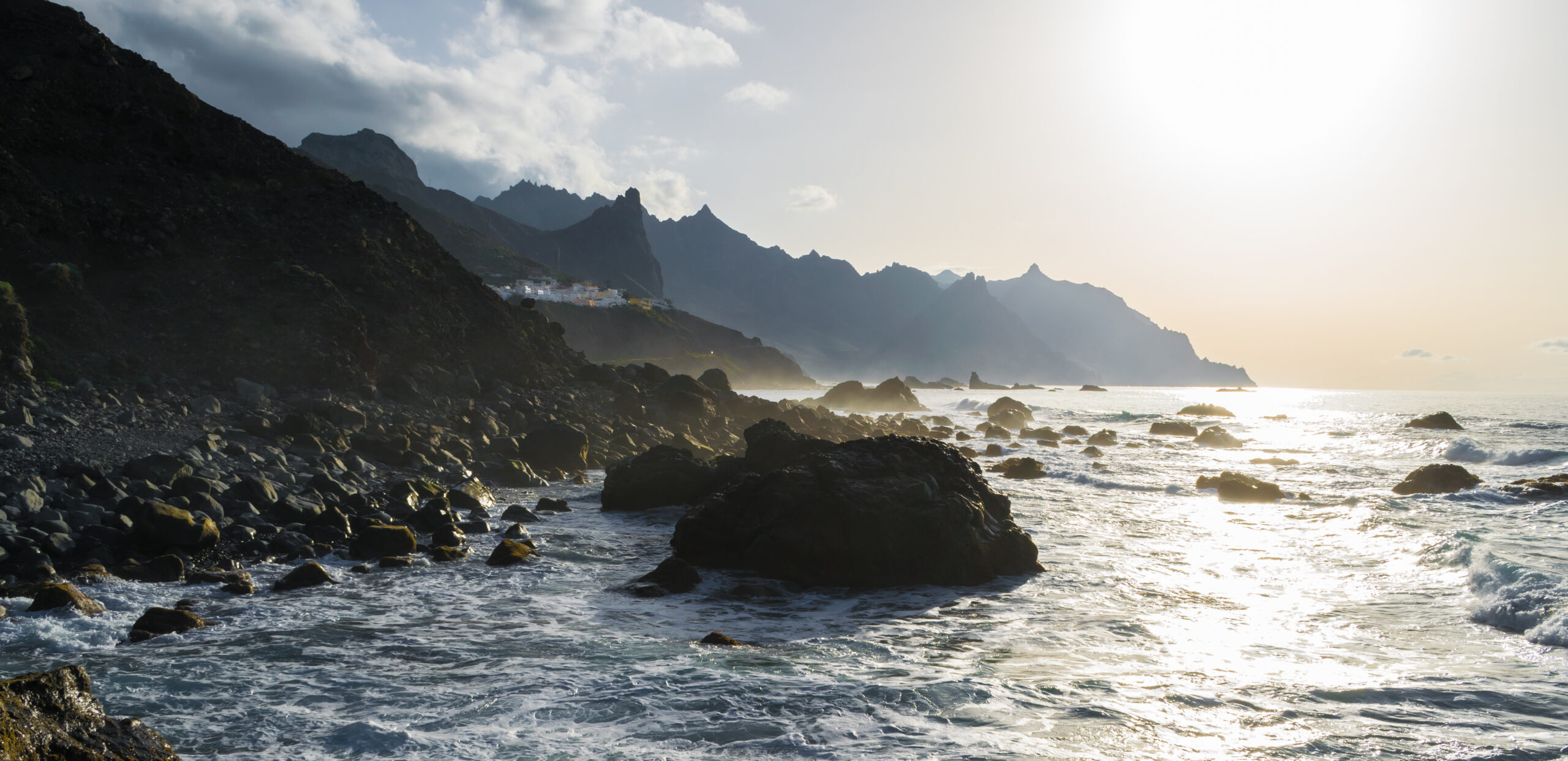
    On genuinely calm days, do as locals do and swim in rock — the Charco Isla Cangrejo below the Los Gigantes cliffs (only when open: it is sealed during swell alerts, which must be respected without exception), Alcalá’s Charco de La Jaquita, or — worth the northern trip — El Caletón in Garachico, free pools formed by the 1706 lava flow (staffed in high summer, closed in heavy seas). The photogenic Charco de La Laja further east is a “beautiful but dangerous” favourite in reviews: north swell often makes it unswimmable, so treat it as a viewpoint unless the ocean is flat. And for drama over comfort, Playa de Benijo in the Anaga hills is the island’s wildest beach — black sand, sea stacks, steep steps, no facilities, sunsets that justify the two-hour drive.

  • Beyond Los Gigantes: Puerto de Santiago, Alcalá, Masca and the old north

    Beyond Los Gigantes: Puerto de Santiago, Alcalá, Masca and the old north

    One of the quiet advantages of staying in Los Gigantes is what surrounds it. Within half an hour you can be in a mountain hamlet, a working fishing village or the handsomest historic town on the island.

    Along the coast

    Puerto de Santiago, a 20-minute walk, is the next town south, home to Playa de la Arena’s glittering black sand and a long seafront of cafés; effectively it is one resort with Los Gigantes. Alcalá, 10 minutes by car or the 473 bus, is a genuinely local fishing town with natural rock pools and a Monday-morning market, 9:00–14:00 on the Plaza del Llano, followed by unhurried plaza coffee.

    Playa San Juan, 15 minutes away, is a fishing harbour turned foodie stop: a broad promenade, a Wednesday-morning market, a Blue-Flag beach (2026 list) and some of the coast’s best fish restaurants.

    Up the mountain

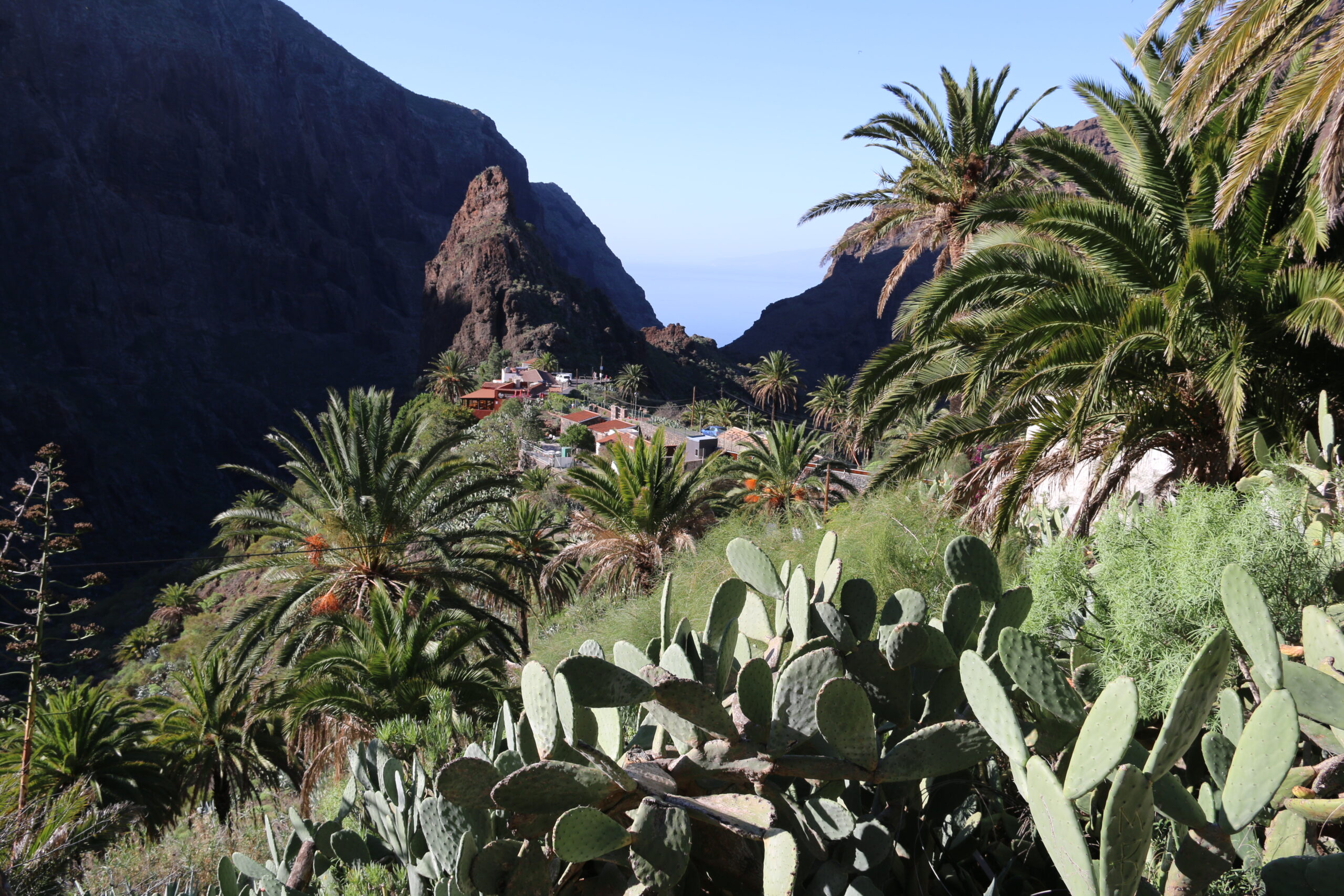
    Santiago del Teide, fifteen minutes uphill, is a different climate and a different century: a low white village around its 17th-century-founded church, surrounded by almond orchards. Each year in late January and February the town runs its Almendro en Flor blossom campaign — guided walking routes of about ten kilometres through flowering valleys, plus markets and concerts (the 2026 edition ran 24 January to 22 February). Five hairpin minutes beyond, the road drops towards Masca, the cliff-hung hamlet that is Tenerife’s most famous photograph.

    The old north

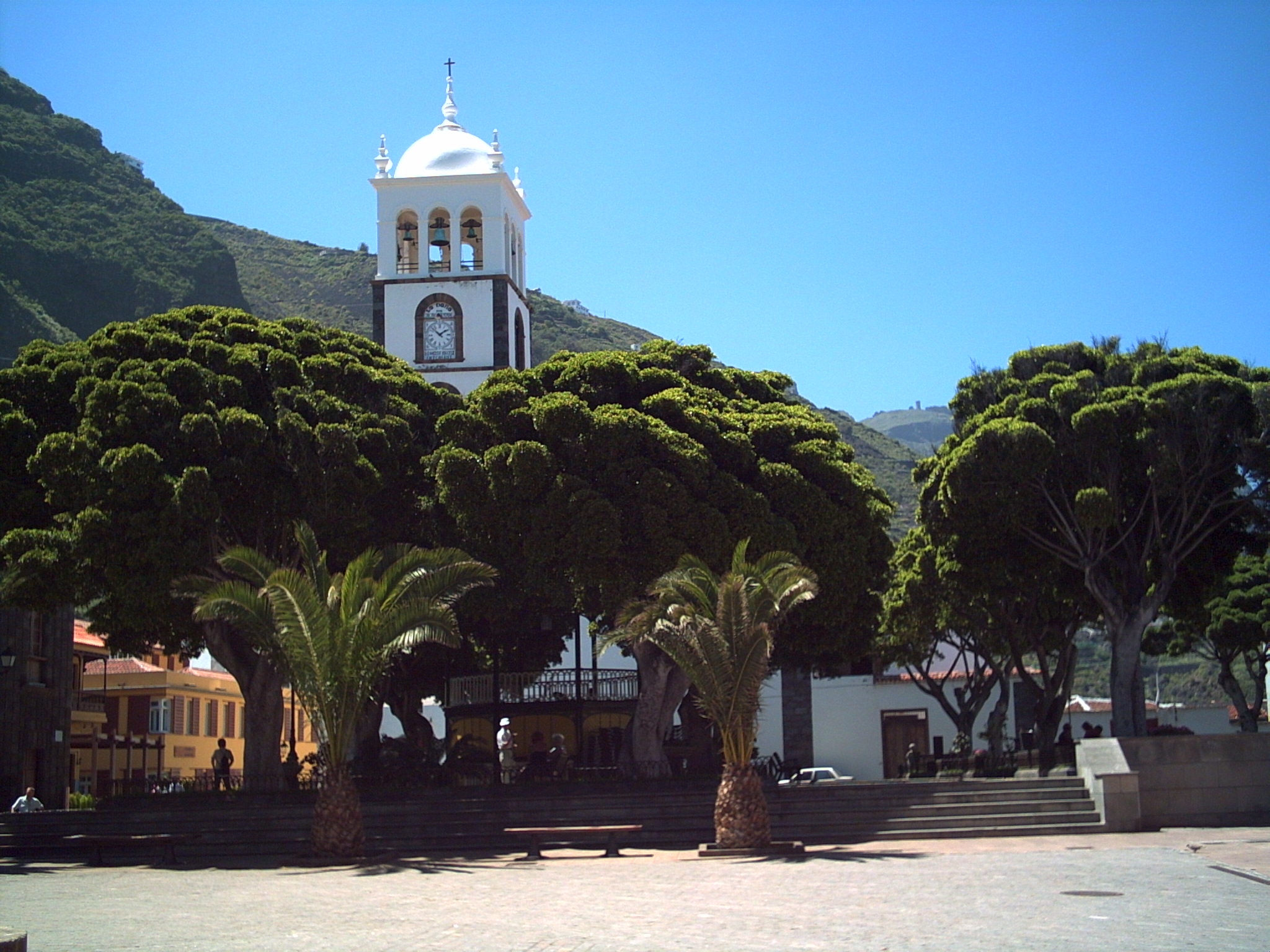
    Forty minutes over the Erjos pass lies Garachico, once Tenerife’s richest port until the 1706 eruption filled its harbour with lava. The town rebuilt itself in slow, elegant stone; today you swim free of charge in El Caletón, the natural pools formed by that very lava (staffed in summer, closed when the swell is heavy). Pair it with Icod de los Vinos (its famous dragon tree costs €5 to visit up close, or can be admired free from the church square) for the classic north-coast day. One 2026 note for the far tip of the peninsula: Punta de Teno is currently reachable only by the local bus from Buenavista while roadworks last; check access before driving out.

  • Things to do in Los Gigantes: cliffs, whales and ocean days

    Things to do in Los Gigantes: cliffs, whales and ocean days

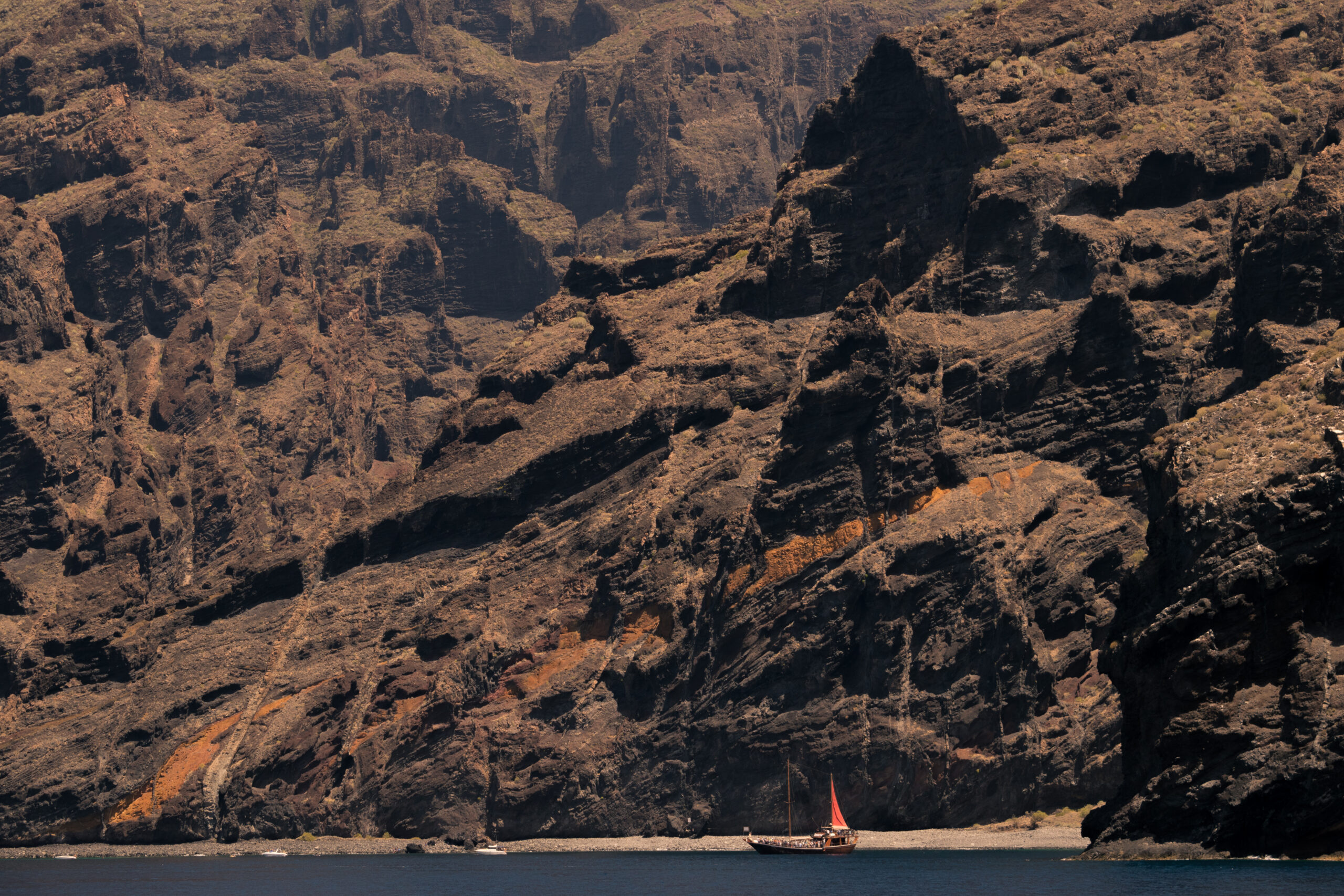
    Los Gigantes is built at the foot of the cliffs that gave it its name, sheer basalt walls rising 300 to 600 metres straight out of the Atlantic. Most days here start and end with them: they frame the harbour, the beach and every sunset.

    On the water: the boats guests rate highest

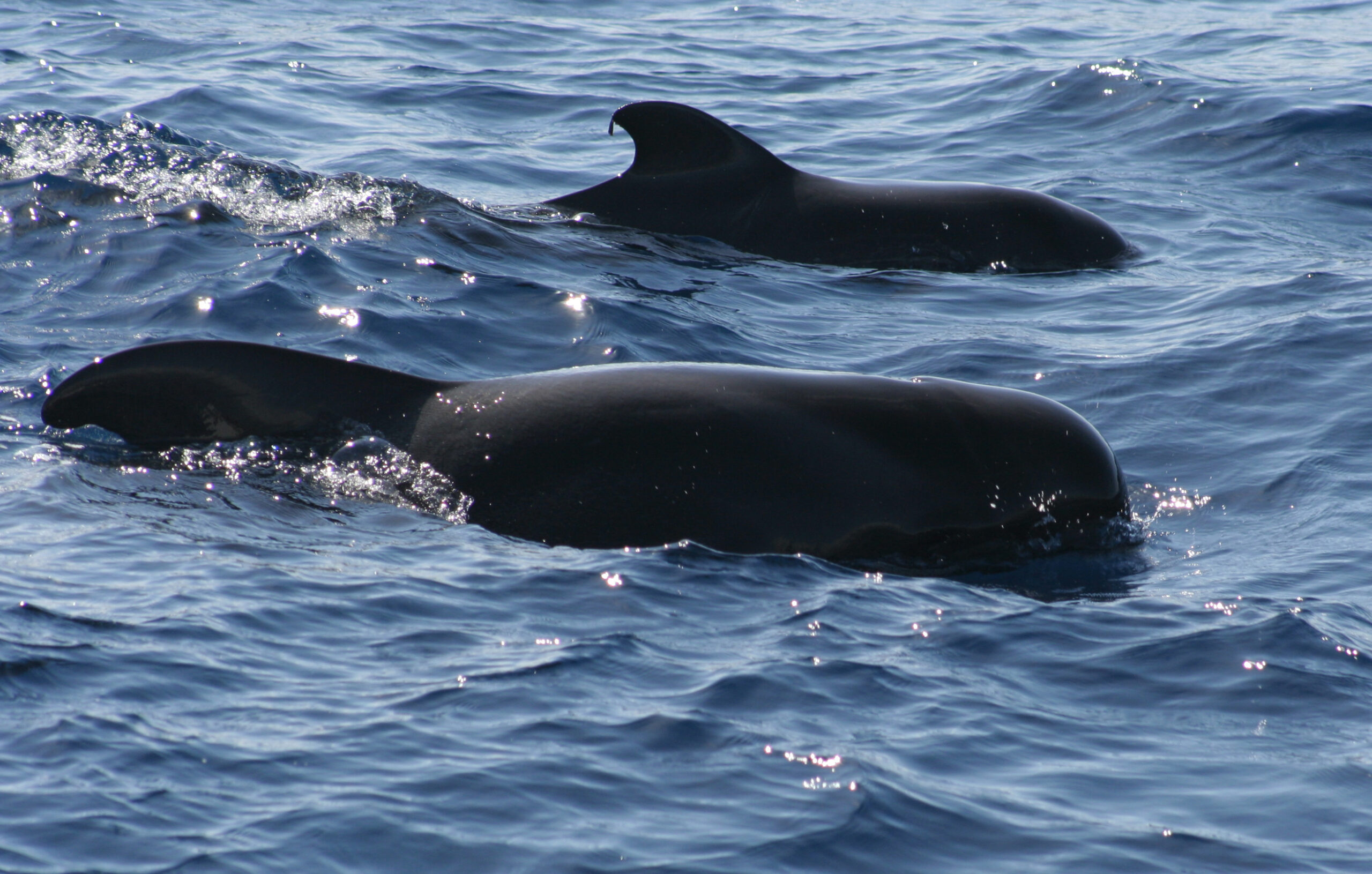
    The channel between Tenerife and La Gomera is home to resident pilot whales and bottlenose dolphins all year, and these waters form one of Europe’s first certified Whale Heritage Sites. Look for the blue-and-yellow “Barco Azul” flag — the government permit for responsible cetacean watching. Ratings and prices below are as listed at the time of writing (July 2026); check each operator for current details.

    • Flipper Uno, a traditional handmade wooden boat and a local fixture, runs two-hour whale, cliff and swim-stop trips from about €28 (children €18). Around 2,100 TripAdvisor reviews and a Travellers’ Choice award.
    • Nature Watch: the famous little M/S Katrin has been retired; the same family now runs the 17-metre Carolin Sophie with a maximum of twelve passengers (about €40, weekday departures). Small-group watching at its calmest.
    • Teno Activo — kayak beneath the cliffs in the morning, then return by whale-watching boat (about €60, children €35). Ranked first among Los Gigantes nature activities on TripAdvisor at the time of writing.
    • The Los Gigantes Diving Centre is a PADI centre in the harbour itself; volcanic reefs and rays lie minutes from the mooring, with courses for first-timers.

    Beaches and pools

    Playa de los Guíos is the black-sand beach right under the cliffs, a short walk from the marina. Two kilometres south, Playa de la Arena is a compact volcanic beach with cafés above it — beautiful, with a shore break that deserves respect for the flags. Between them lies the Charco Isla Cangrejo (“Crab Island”) sea pool, lovely on a flat day but fenced off whenever swell alerts are active; in December 2025 a wave overtopped it with fatal results. Swim only on calm days when it is open, and never past a barrier; our natural-pools guide explains how to judge conditions.

    Masca and Teide

    The hamlet of Masca, twenty minutes up the mountain road, is Tenerife’s most photographed village, and its gorge walk is now strictly regulated. Under the rules in force at the time of writing, places are booked exclusively through the official site (from €40.66 for non-resident adults), hikers arrive by the dedicated Santiago del Teide shuttle bus, and a boat ticket out of the gorge mouth back to Los Gigantes is compulsory for one-way walkers. Book well ahead and check caminobarrancodemasca.com for the current calendar. Mount Teide and its lunar national park remain a comfortable seventy-five-minute drive for a half-day trip.

    Photo: Tony Hisgett, CC BY 2.0, via Wikimedia Commons

  • Where to eat in Los Gigantes: harbour terraces and Canarian classics

    Where to eat in Los Gigantes: harbour terraces and Canarian classics

    For a small resort, Los Gigantes eats remarkably well. The town grew around its marina, and that is still where the best evenings happen: a terrace, a plate of fish landed that morning, and the cliffs turning copper as the sun drops behind La Gomera.

    Tables guests rate highest

    Ratings below are aggregated from review platforms at the time of writing (July 2026). Small kitchens dominate, so booking ahead matters more than anywhere else on this coast.

    • Tas-K (Los Gigantes) — Spanish tapas built on that morning’s ingredients; around 4.8 across platforms with thousands of reviews. Tiny, and the food genuinely sells out: reserve.
    • Restaurante El Mesón (Puerto de Santiago) serves grills, fresh fish and paella; about 4.8 with well over a thousand reviews. Weekday opening, so book ahead.
    • Restaurante El Pescador, by the harbour, does no-frills grilled fish and octopus at friendly prices; a local standby.
    • CK’s Bistro (Puerto de Santiago) — the fine-dining-leaning choice, around 4.5; expect roughly €78 for two with wine.
    • KV Bar Gourmet (Los Gigantes) is a very small French-leaning seafood room that platform listings place near 4.8; tuna tataki is the calling card. Book.
    • Muelle Viejo in Alcalá, ten minutes away: premium harbour seafood, oysters and tuna tartare; reserve for evenings.

    What to order

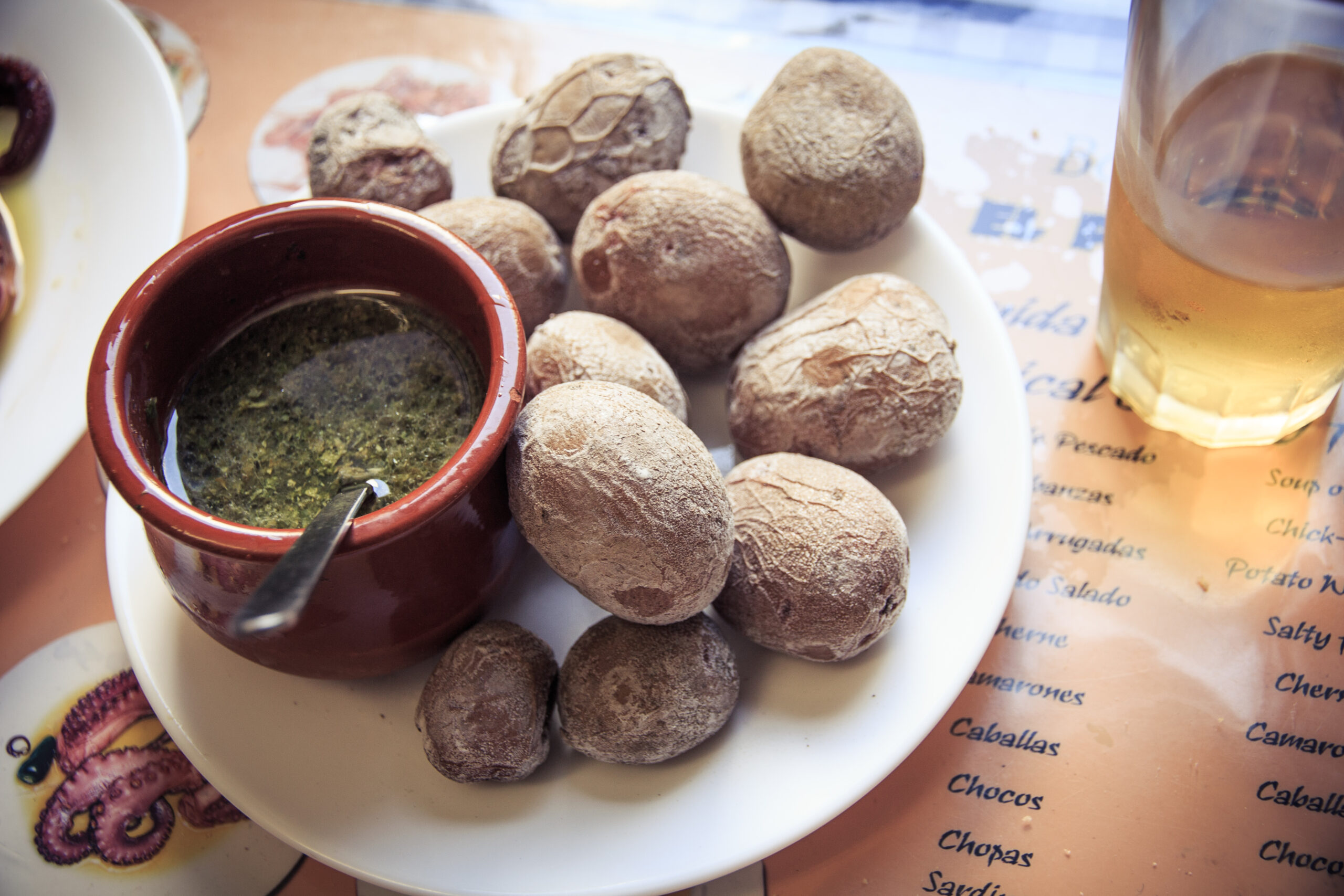
    Start with papas arrugadas con mojo, wrinkled salt-boiled potatoes with red and green mojo, the benchmark of every Canarian kitchen. The day’s fish will usually be cherne (wreckfish), vieja (parrotfish) or tuna, grilled simply with garlic. Garlic prawns, octopus and limpets are the classic seaside starters, best on the harbour terraces.

    To drink, Tenerife makes volcanic-soil whites and reds; look for Listán Blanco and Listán Negro.

    The Michelin footnote

    Los Gigantes has a claim few villages can make: El Rincón de Juan Carlos, opened here by the Padrón brothers in 2003, earned its first Michelin star in this town in 2016 before moving to a resort in La Caleta in 2021 — where it now holds two stars. The village that launched a two-star kitchen still feeds you very well indeed.

    Good to know

    Book sunset tables on the harbour from December to March. Weekday lunch is the best value — many kitchens serve a three-course menú del día for the price of an evening main. Sunday lunch is a Canarian institution: arrive early or reserve. Small family places may prefer cash.

    Photo: Jaume Escofet, CC BY 2.0, via Wikimedia Commons

  • Getting to and around Los Gigantes

    Getting to and around Los Gigantes

    Los Gigantes sits on Tenerife’s west coast, about 41 km from Tenerife South airport (TFS) — roughly 35–50 minutes by road. From Tenerife North (TFN) allow around an hour and a quarter.

    From the airport

    A pre-booked transfer is the least friction after a flight: a driver meets you in arrivals and delivers you to the apartment door. Comparison sites quoted around €67–71 for up to four passengers at the time of writing. A taxi from the rank works around the clock; expect a metered fare in the region of €65–80 from the south airport, depending on time and luggage.

    The green TITSA bus network is cheap and reliable. From the south airport, connect via Los Cristianos to the coastal 473, about 74 minutes to Los Gigantes; aggregators suggest roughly half-hourly by day, so check titsa.com. The 477 runs as a faster express from Costa Adeje station.

    Paying on the bus

    Contactless bank cards and phones are accepted on board across the network; cash works too. If you’ll ride often, the rechargeable ten+ card (€2 at stations, airport machines and kiosks) discounts fares by roughly 20–30% versus cash.

    Do you need a car?

    Not for the town itself. Los Gigantes is compact, and restaurants, marina, beach and pool are all walkable, though streets are steep in places. A hire car earns its keep on excursions: Garachico, Icod and the north are far easier with your own wheels (note that Masca’s gorge now requires arrival by its dedicated shuttle bus, and Punta de Teno has been closed to private cars during 2026 roadworks — the local bus covers it). Hire for two or three chosen days rather than the whole week.

    Parking: arrive with a plan

    Los Gigantes was built on a steep slope long before everyone arrived by car, and it shows: the streets are narrow, mostly one-way, and spaces near the marina are gone by mid-morning in high season, when the boat excursions pull in day-trippers. For free parking, our local habit is to check the open-air lot on Avenida José González Forte at the entrance to town first (free, though it fills by midday in season) and then try the streets working up from the bottom; the higher you climb, the easier it gets, with Calle Tabaiba (an eight-minute downhill walk from the centre) as the classic last resort.

    For something more certain there are two paid options. The small car park at the marina is the closest to the harbour and Playa de Los Guíos — practical before a boat trip, though drivers rate it a middling 3.3 on Google Maps and it queues when full. The covered Parking El Mirador at the upper edge of town is the reliable choice: over 300 staffed spaces, open around the clock, at roughly €1.60 an hour or €15 a day (operator’s published prices, July 2026; 2.10 m height limit). If everything is taken, the streets near Playa de la Arena in Puerto de Santiago sometimes come to the rescue, likelier early or late in the day than at midday in season, with a fifteen-minute coastal walk to Los Gigantes as consolation.

    Getting around without a car

    Local taxis wait near the centre and any restaurant will phone one. The 473 links Los Gigantes with Puerto de Santiago, Alcalá and Playa San Juan — handy for beach-hopping — while the 325 crosses to Puerto de la Cruz via Icod for a car-free north-coast day. For La Gomera, ferries leave Los Cristianos harbour, thirty minutes away.

    Photo: Flocci Nivis, CC BY 4.0, via Wikimedia Commons

  • Giants of stone: the geology and history behind the cliffs

    Giants of stone: the geology and history behind the cliffs

    The cliffs of Los Gigantes are the exposed edge of the Teno massif — one of the three ancient volcanic buildings that later fused into Tenerife. Geological studies date Teno’s basalts to roughly six million years ago, among the oldest rock on the island; everything you see in the 300-to-600-metre face is stacked lava flows, dykes and ash beds, sliced clean by landslides and the patient Atlantic.

    The wall of hell

    To the Guanches, the aboriginal people of Tenerife, these cliffs marked the end of the world: chronicles record the name Muralla del Infierno — the Wall of Hell — and the belief that the waters below were bottomless. Guanche shepherds worked the high Teno pastures for centuries before the Castilian conquest of the 1490s; the inland village of Santiago del Teide, today’s municipal capital, grew from those uplands, its parish founded by royal decree in 1678 under Fernando del Hoyo Solórzano, Lord of the Valley.

    Fire within living memory

    This is also Tenerife’s youngest volcanic corner in human terms: the island’s most recent eruption began on 18 November 1909 at Chinyero, just up the valley inside this same municipality. It lasted ten days; the lava stopped short of the villages near Montaña de Bilma — a halt local tradition attributes to a religious procession — and today the stark black field is crossed by marked walking trails.

    From fishing shore to resort

    Until the 1960s the shoreline below the cliffs held little more than fishing boats and terraced tomato plots. Historical accounts describe the resort being laid out from the early sixties with British investment, around the natural anchorage that became today’s marina. It has stayed deliberately small ever since: low-rise, whitewashed, and still arranged around that same anchorage.