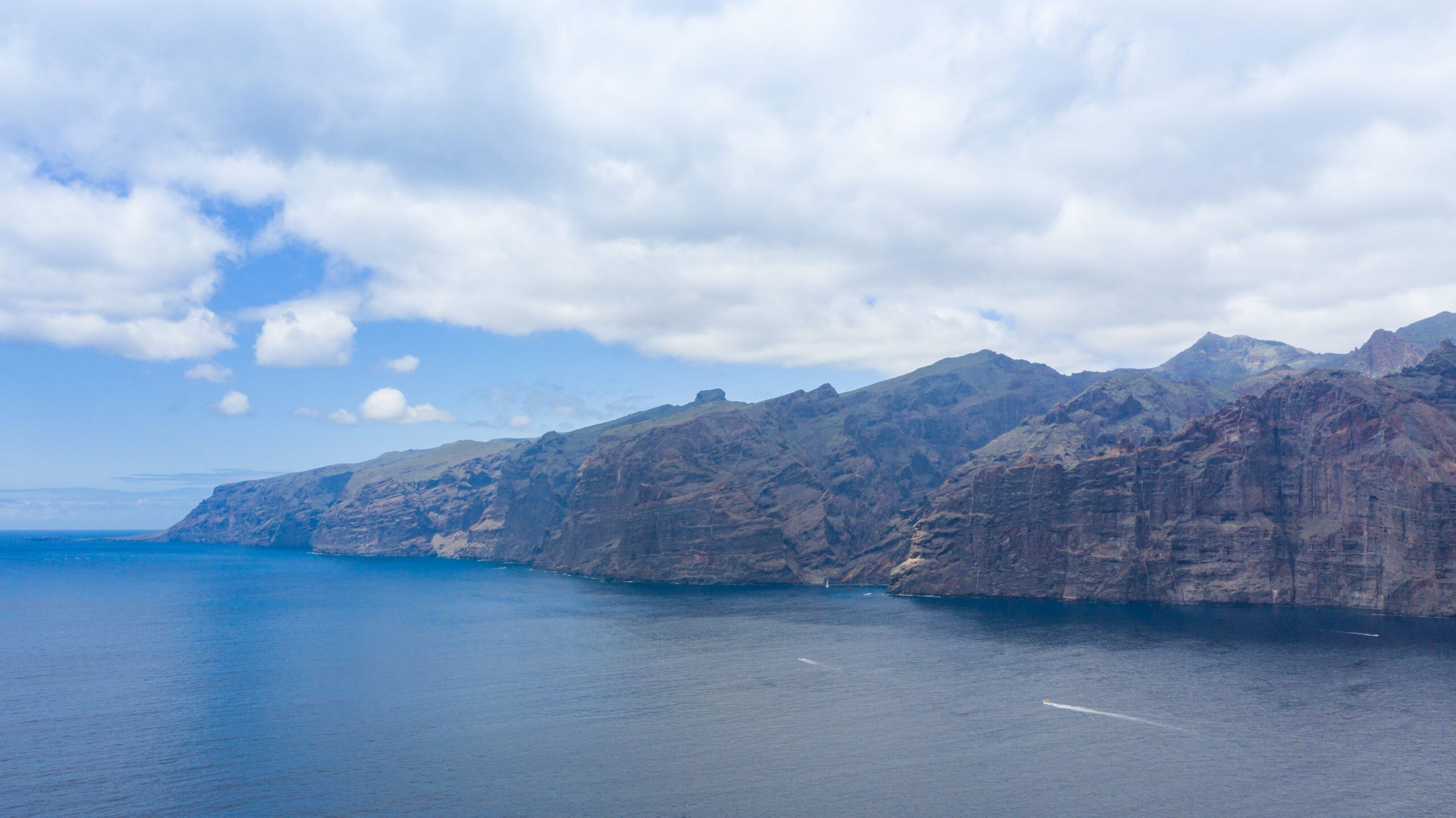
Los Gigantes Vacation Rentals

Category: Uncategorized

  • Driving in Tenerife: what visitors get wrong, and how to get it right

    Driving in Tenerife: what visitors get wrong, and how to get it right

    A car is the key that unlocks this island: Teide, Masca, the north coast and the quiet villages all sit at the end of roads the buses barely serve. The driving itself is easier than the hairpin photographs suggest, but Tenerife has its own rules, habits and hazards, and a few of them changed recently. Everything below is as of July 2026.

    Renting: the Canarian model

    The pleasant surprise for most visitors is the local rental model. The two big Canarian firms, CICAR and Autoreisen, sell all-in prices with fully comprehensive, zero-excess insurance included — no deposit block on your card beyond fuel, no queue-side upselling — plus free child seats, free second driver and unlimited mileage. It is a different world from the deposit-and-excess machinery of some international brands, and it is why locals recommend them by reflex. Two practical notes. Automatics are still the minority in Spanish fleets, so book one early if you need it (and on the hairpins you may be glad of it). And children under 135 cm must ride in the back in an approved seat — the firms lend seats free, but you fit them yourself.

    Rules that catch visitors out

    • Roundabouts are the big one. In Spain you exit from the outside lane; the inner lane is only for circulating, and you merge out before your exit — never cut across from the middle. Expect local drivers to lap the outside lane the whole way round; that is the convention, not bad driving.
    • Alcohol: the limit is 0.5 g/l of blood (0.25 mg/l breath), which is roughly one small drink, and a stricter national limit keeps returning to parliament — the last attempt was voted down in March 2026. At these gradients the simplest policy is to drink nothing at all before driving.
    • Merely holding a phone while driving costs €200 and six points.
    • The V-16 beacon: since 1 January 2026, Spanish-registered cars — hire cars included — must carry a connected V-16 emergency beacon instead of warning triangles. Supplying it is the rental firm’s job; checking it is in the glovebox at pickup is a ten-second habit worth having.
    • Cyclists must be given at least 1.5 metres of clearance and a lower passing speed, changing lane fully to overtake where there are two. This island trains professional pelotons all winter, so you will meet them on the mountain roads.
    • Speed defaults — 120 on the motorways, 90 on open roads, 50 in town and 30 on single-lane urban streets. Fixed cameras sit on the TF-1 and TF-5 and five more arrived across the island in 2025. Fines follow a hire car home: the rental firm charges an admin fee and passes your details on, and paying within 20 days halves the fine.

    Mountain roads without drama

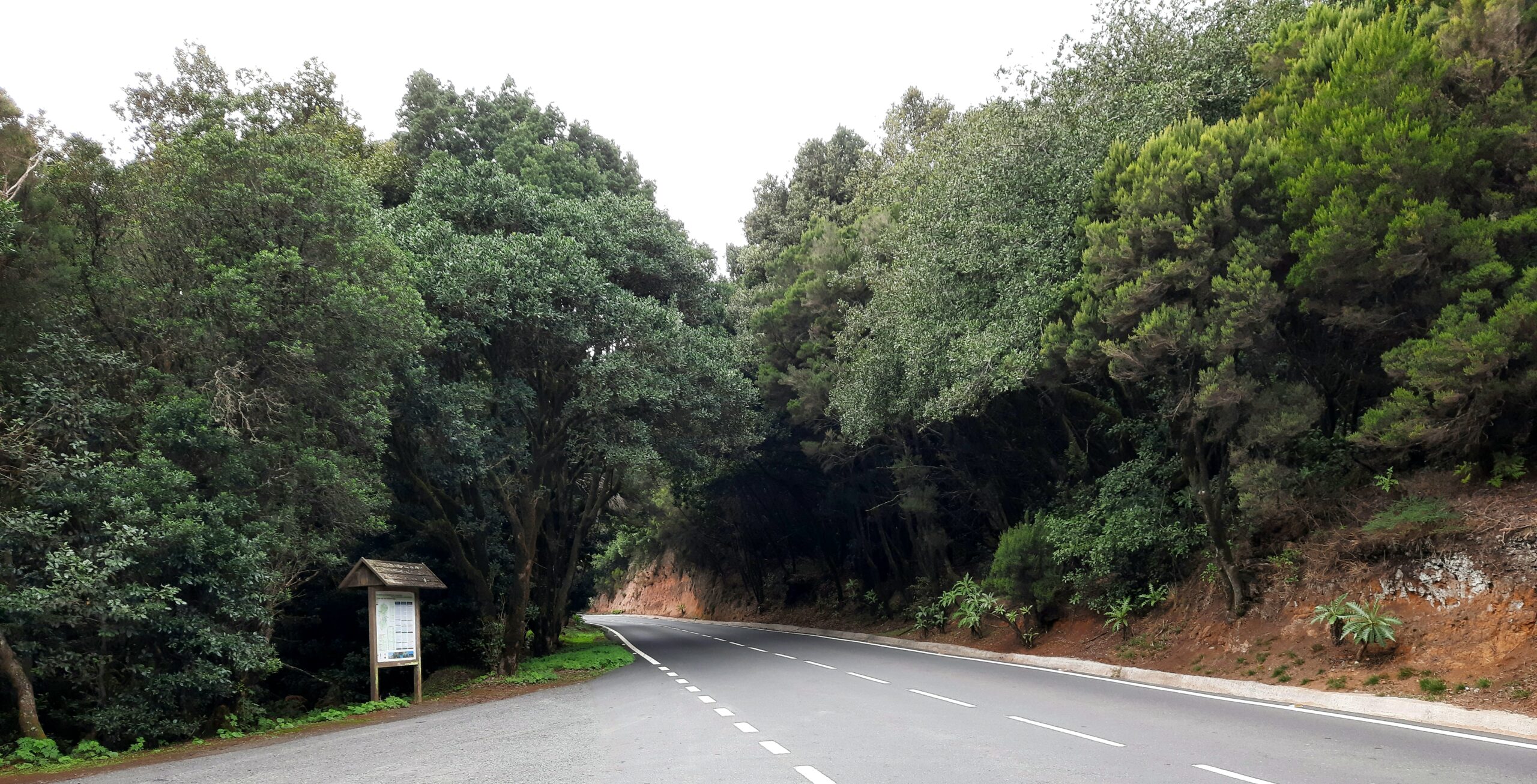
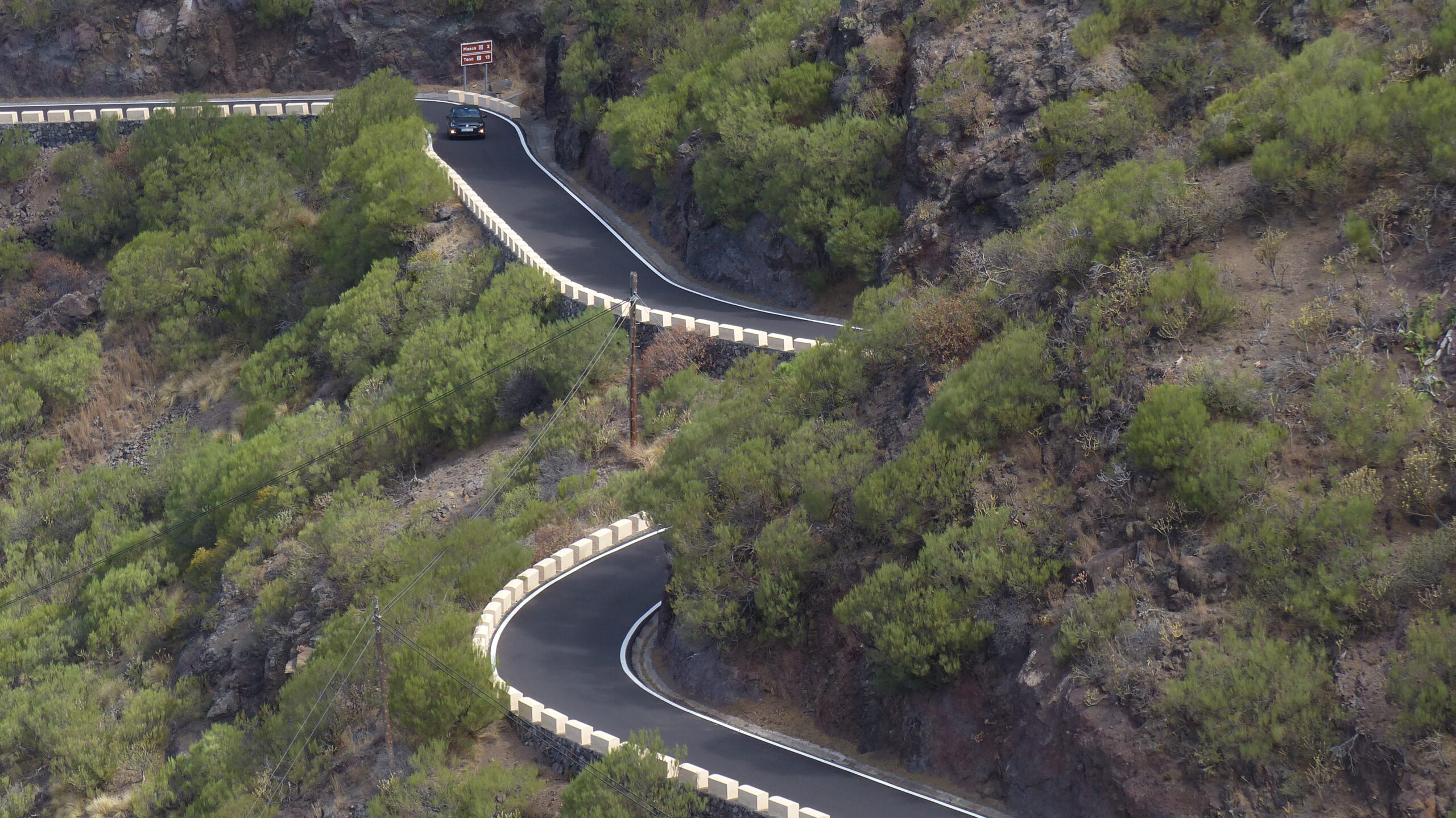
    The famous one is the TF-436 to Masca: hundreds of bends in 22 km, sections too narrow for two cars, and scheduled buses that need the full width of every hairpin. The technique is patience. Wait in a pull-in when you see a coach coming, follow the driver’s hand signals, and know the rule for narrow gradients: the car heading uphill has priority, and the descending car reverses to the passing place. Take the smallest car you are comfortable in, go early in the morning, and rather than turning around at Masca, continue north to Buenavista, where the road relaxes. A short beep before blind bends is local convention. On the long descents from Teide, use a low gear and let the engine do the braking — riding the brake pedal for 1,500 vertical metres is how brakes fade. And around every viewpoint, expect the island’s most predictable hazard: cars stopped mid-road for a photograph.

    Weather on the road

    Three local phenomena are worth knowing. During a calima, Saharan dust cuts visibility: lights on, speed down, bigger gaps. The cloud belt sits at roughly 600–1,200 metres on the north side, so routes to Teide from that flank punch through a fog layer. Sunny below, sunny above, fifty metres of visibility in between — normal, brief, and no reason to brake sharply. And in the rare heavy rain, respect closed-road signs in the barrancos; those dips flood fast. In winter, snow occasionally closes the Teide roads entirely, so check the Cabildo’s road information or dial 012 before driving up.

    Parking, fuel and the boring essentials

    The kerb colour code: white is free, blue is normally pay-and-display (though here in Santiago del Teide municipality the blue bays are free and simply time-limited — a local quirk worth enjoying), and yellow means no parking at all. Wherever you stop at a trailhead or viewpoint, take everything with you and leave the car visibly empty, because break-ins targeting obvious hire cars are a documented nuisance at popular car parks. Fuel is one of the island’s bargains: roughly a euro to €1.35 a litre in mid-2026, far below mainland prices, with the low-cost and local chains cheapest and the south generally cheaper than the north. Small rural stations keep short hours, so do not set off for Teide or Teno on fumes — fill up in Tamaimo or Chío on the way.

    Photo: Benjamín Núñez González, CC BY-SA 4.0 (https://creativecommons.org/licenses/by-sa/4.0), via Wikimedia Commons
  • A Canarian menu decoder: from papas arrugadas to barraquito

    A Canarian menu decoder: from papas arrugadas to barraquito

    Canarian cooking is its own tradition — older than tourism, shaped by volcanic soil, Atlantic fish and a pre-Hispanic staple that survives on every menu. The dishes are simple, generous and inexpensive; the only barrier is the vocabulary. Here is the decoder, tested against what the menus around Los Gigantes actually say.

    The holy trinity: papas, mojo, gofio

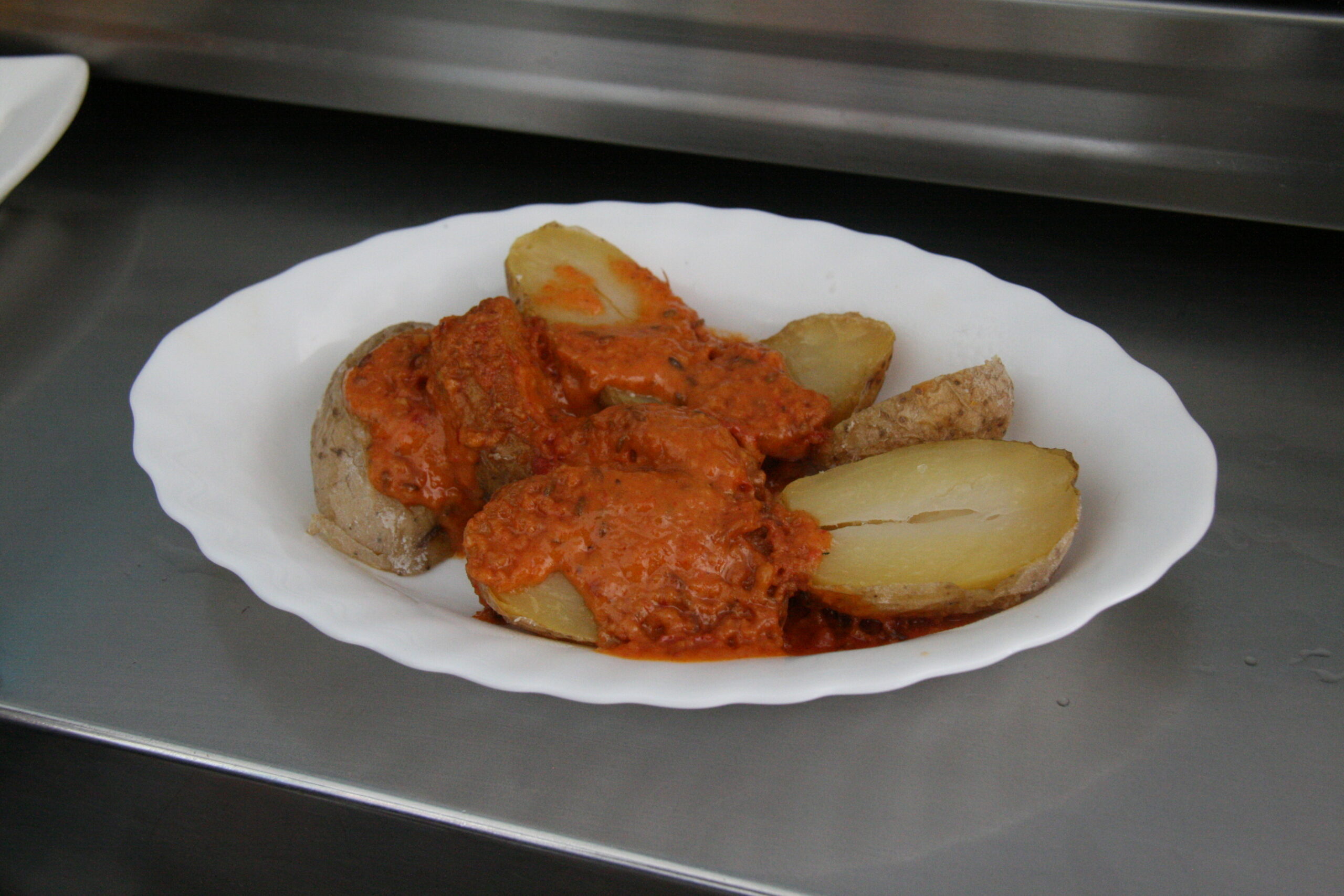
    Papas arrugadas, the “wrinkled potatoes”, are small potatoes boiled in heavily salted water until the skins crease and frost with salt; you eat them skin and all. If the menu names papa bonita or papa negra, that signals heirloom varieties from Spain’s first potato denomination of origin, and the black-skinned, yolk-yellow papa negra is the connoisseur’s choice. They arrive with mojo, the two table sauces: rojo (red pepper and paprika, warm and smoky — picón means the hot version) traditionally with meat, verde (green pepper and coriander) with fish, though most kitchens bring both and nobody polices the pairing. Gofio is the oldest thing on the table: toasted grain flour inherited from the islands’ first inhabitants. You will meet it as escaldón (whisked into hot broth to a savoury paste, scooped with raw onion), kneaded into a sliceable log (pella), or folded into cream as the ubiquitous mousse de gofio dessert. And almogrote, the fierce spread of aged goat’s cheese, garlic and peppers, comes from La Gomera — the island filling your horizon at sunset.

    Reading the fish list

    Cherne is wreckfish: thick, white, satisfying fillets that menus sometimes translate as sea bass (it is better). Vieja, parrotfish, is the local favourite, usually simply boiled or grilled, while chicharros are small jack mackerel, cheap and fried — the fish that gave Santa Cruz natives their nickname, chicharreros. Sama and bocinegro are local sea breams, and lapas are limpets, grilled shell-up with mojo verde and eaten the moment they arrive. Despite the name, sancocho canario arrives not as a soup but as salted fish poached with potatoes and sweet potato, with mojo and a slab of gofio — the classic Good Friday lunch. As for the cooking terms: a la plancha means flat-grilled, frito fried, a la espalda butterflied open and finished with hot garlic oil, and a la sal baked in a salt crust.

    The meat side, and two famous false friends

    Conejo en salmorejo is rabbit marinated in garlic, paprika, herbs and wine vinegar, fried and simmered — no relation whatsoever to Córdoba’s cold tomato soup of the same name. Costillas con piña is the other trap: piña here means corn on the cob, not pineapple — salted pork ribs, potatoes and corn, a country classic. Carne fiesta is cubed pork in the same paprika-garlic marinade, fried and served in a heap, the taste of every village fiesta. Look too for garbanzas (a chickpea and pork stew), the Canarian ropa vieja (shredded meat with chickpeas and potatoes; the Cuban dish is its descendant), and queso asado con mojo: goat’s cheese seared on the grill, topped with mojo and often palm honey. Tenerife’s farmhouse goat’s cheeses are excellent, for the record, even though the archipelago’s protected cheese names all belong to other islands.

    Sweets and the local wine

    Dessert menus repeat a reliable cast: quesillo (the firm Canarian flan made with condensed milk), bienmesabe (“tastes-good-to-me” — a thick almond-honey cream, often over ice cream), frangollo (cornmeal pudding with raisins and almonds), príncipe alberto (a chocolate-almond mousse from La Palma, named, the story goes, for a visiting Monaco prince), and at Christmas truchas, half-moon pastries filled with sweet potato or almond. The almond ones connect to our own valley: Santiago del Teide is almond country, at its best during the February blossom. As for wine, Tenerife alone holds five denominations of origin, and the local one is Ycoden-Daute-Isora, covering the north-west including Santiago del Teide — historically famed for whites from the Listán Blanco grape, while Listán Negro makes the island’s signature light, peppery red from ungrafted vines phylloxera never reached. Finish like a local with a barraquito: condensed milk, Licor 43, espresso and frothed milk in careful layers with cinnamon and lemon peel (ask for it sin licor before a drive), or a glass of ron miel, the Canary honey rum that appears unbidden with the bill.

    Menu culture in five lines

    • The weekday menú del día (starter, main, dessert, bread and a drink at a fixed price) is Spain’s great lunch institution, and surveys put the Canaries among the cheapest regions for it — around €13 in the 2025 industry survey.
    • A tapa is a saucer, a ración a sharing plate; one ración per person across the table is the usual arithmetic.
    • The bread and mojo that land unasked are customarily charged, a euro or so per head. Decline them if you wish; it is a custom rather than a scam.
    • Tipping is relaxed. Locals round up or leave a euro or two, and ten per cent is generous anywhere.
    • Guachinches — the pop-up eateries where a wine-growing family serves its own new wine and a three-dish menu — are a north-island institution, open roughly from the new wine in late November until it runs out in spring. The name gets borrowed loosely near the resorts; the real thing means a drive north, and it is worth it.

    Photo: Tamorlan, CC BY-SA 3.0 (https://creativecommons.org/licenses/by-sa/3.0), via Wikimedia Commons

  • Road cycling from Los Gigantes: training where the pros train

    Road cycling from Los Gigantes: training where the pros train

    Every winter, while the Alps are under snow, a noticeable share of the professional peloton moves into a hotel at 2,152 metres inside Teide National Park. Team Sky brought Chris Froome here before the 2015 Tour; Visma have run Vingegaard’s altitude blocks here; in early 2026 Remco Evenepoel came for a post-race camp and found the Parador so booked out by teams that his squad took an apartment instead (in March the local press enjoyed reporting him briefly snowed in). The reason is simple: nowhere else in Europe offers a stable winter climate, empty roads and a continuous climb from the sea to over 2,000 metres. And the quietest way up the volcano starts from our side of the island.

    The Chío road: the connoisseur’s Teide

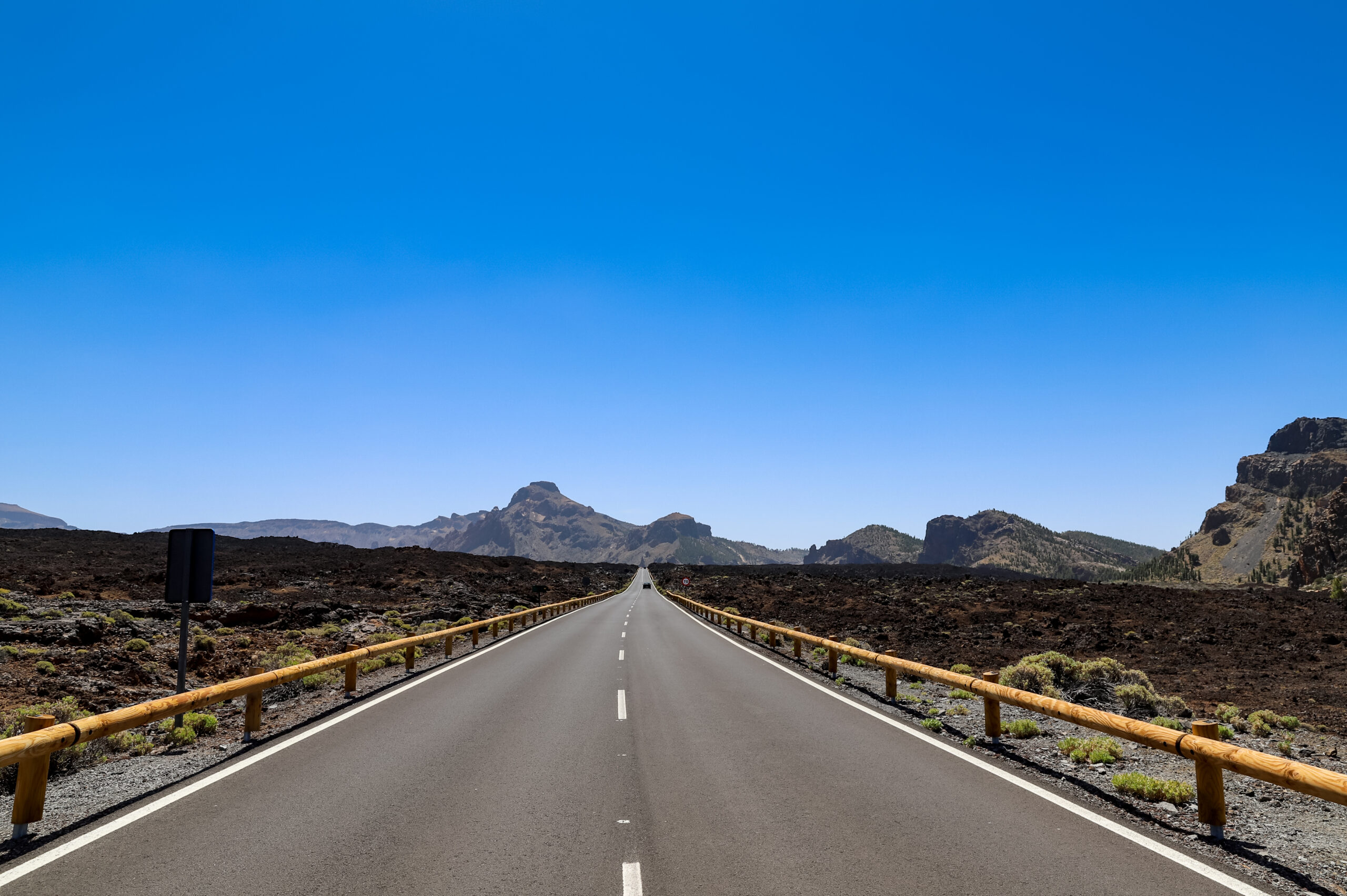
    From Los Gigantes harbour the climb to the crater rim via Chío measures out at roughly 37–40 km with around 1,700–2,100 m of gain depending on where you stop counting — sea level to the TF-38’s high point above 2,000 m at a steady 5–6 per cent, on good tarmac with long straights and barely a hairpin. Climbing sites rate it hors catégorie, and cycling writers rate the western approach the quietest of the four roads up, which is exactly what you want for a four-hour effort. Teide from the coast is among Europe’s longest road climbs in any direction — the full approach from Santa Cruz is widely cited as the continent’s longest. Logistics are part of the challenge, so fill both bottles in Chío (Bar Parada is the riders’ stop), because there is effectively nothing else until the caldera.

    Masca and the middle-mountain loops

    The other famous name is Masca — short and brutal where Chío is long and steady. From the Buenavista side it is about 5 km at 10 per cent average with ramps past 16; climbing out of the village itself is the island’s hardest few kilometres, on a narrow road shared with coaches (ride it early). The full loop from the coast — up through Santiago del Teide, down through Masca, around by Buenavista and back — runs about 74 km with over 2,100 m of climbing and is many visitors’ ride of the trip. Gentler days exist too. The climb to Santiago del Teide from Tamaimo is a steady categorised warm-up, and the Erjos pass (around 1,100 m) opens a fine circuit over to the north coast and back.

    Bikes without the bike box

    You do not need to fly your own machine. KUDO Rent in Puerto de Santiago (effectively on the doorstep) rents carbon road bikes from Shimano 105 to Di2, plus gravel bikes and e-road machines, with delivery to your apartment the evening before and free route files; its reviews run strongly positive. The established south-coast fleets deliver this far too: Free Motion publishes carbon road rates from about €21 to €42 a day (top-end race bikes more) and e-road bikes at €36–55, and Bike Point Tenerife runs a well-regarded road fleet from Las Américas. Rates are as published in July 2026 — book days ahead in the winter training season, when the good bikes go the way of the Parador’s rooms.

    The rules and the real risks

    Spanish law is friendlier to cyclists than most: drivers must give at least 1.5 metres and slow down to pass, crossing a solid line to do it if needed. In return, a helmet is mandatory on interurban roads — which is every road in this post — plus lights and reflective visibility in the dark, no headphones in both ears, and the drink-driving limit applies on two wheels as well. The genuine hazards are meteorological. Count on the summit road being 10–15 °C colder than the coast, more in windchill, with the cloud band between 1,000 and 1,800 m capable of sitting near zero in winter. Carry arm warmers and a shell for the half-hour descent even when the harbour is at 24 °C, and skip the big efforts on calima days, when the air fills with Saharan dust. Keep some judgement in reserve for the way down too: it is 35 km of descending, and the bends demand attention the whole way.

    Ride it with numbers on

    If you want the event experience, the Vuelta al Teide granfondo each May turns the island’s climbs into a timed day out — the 2026 edition drew over a thousand riders from 32 countries to a 182 km course with 4,600 m of climbing, with shorter 86 km and 64 km options for the sane (dates at vteide.com). Professional racing has been rarer than you would guess: the Vuelta a España has visited Tenerife exactly once, in 1988, and Teide has never hosted a Grand Tour summit finish — though the island’s government keeps bidding to change that. Until then, the mountain belongs to whoever climbs it, and in the morning quiet on the Chío road that will mostly be you, the pines and the occasional passing WorldTour train.

    Photo: dronepicr, CC BY 2.0 (https://creativecommons.org/licenses/by/2.0), via Wikimedia Commons

  • Los Gigantes with limited mobility: a realistic guide

    Los Gigantes with limited mobility: a realistic guide

    Los Gigantes is built into a steep hillside, and any guide that skips that fact is doing its readers a disservice: wheelchair travellers who have reviewed the town describe the upper streets as some of the hardest going in any Tenerife resort. But the same reviewers point out what the postcard hides. At sea level there is a genuinely pleasant, step-free micro-resort of marina, promenade, restaurants and pool, and the surrounding coast offers some properly equipped accessible beaches. The difference between a frustrating week and a great one is mostly planning. Details below are as researched in July 2026.

    Reading the terrain

    Think of the town as two levels. Marina level is the good news: the harbour, its restaurant row, the promenade and the Oasis seawater pool complex (which added a ramp in its renovation) all connect without climbs, and the Poblado Marinero sits at the same height — level, though its lanes are cobbled, so wheels rattle. Everything above is the challenge: the residential grid climbs at gradients that reviewers on the town forum describe as difficult even on foot, with narrow pavements and high kerbs in places. The practical rule: stay low or arrange door-to-door transport, and treat the hill between levels as a taxi ride, not a stroll. The local rank is on Calle Flor de Pascua (+34 922 861 627) with standard cars. Ramp-equipped adapted taxis serve the area from neighbouring municipalities; the nearest is based in Guía de Isora (686 227 755, per the Cabildo’s accessible-tourism directory), and it should be booked in advance rather than hailed.

    Beaches: where the sea is actually reachable

    The town beach, Playa de los Guíos, has a ramp down and benches at the top, but beyond that it is soft, hot black sand with rocky patches and no amphibious chair — better admired than attempted on wheels. Two kilometres along the coast, Playa de la Arena does much better: reserved disabled parking, fixed wooden walkways onto the sand, an adapted toilet and shower zone, and a listed bathing-support service around midday hours (confirm times with the town hall — the listing is not independently verified). The properly equipped option is ten minutes down the coast at Playa La Jaquita in Alcalá: promenade access, adapted bathrooms and a hoist for entering the sea, repeatedly singled out as the accessible standout on this coast. Further south, Playa de las Vistas in Los Cristianos runs the full service — platforms and amphibious chairs staffed by the Red Cross, year-round. The famous natural rock pools, for the record, involve steps and boulder-scrambling everywhere and are not accessible.

    Things to do that genuinely work

    The area’s best level outing is the paved Paseo Marítimo linking Puerto de Santiago and Playa de la Arena, with the sea on one side, the cliffs ahead and cafés along the way. For whale watching with guaranteed wheelchair boarding, Atlantic Eco Experience in Puerto Colón (about 40 minutes away) runs a genuinely barrier-free boat — electric wheelchairs stay aboard — and an adapted boat in Los Cristianos lowers wheelchair users into the sea on a hydraulic platform. Some Los Gigantes boats take folding wheelchairs; ask at the marina kiosks about boarding arrangements before booking.

    By car, Mirador Archipenque just above town on the way in has a large car park and a café terrace with the full cliff panorama. Reports differ on whether the lower platforms are reachable, so call ahead (+34 922 862 951) if that matters. For day trips, Loro Parque has a solid accessibility reputation, with level paths, adapted toilets and chair rental. Siam Park is a mixed picture: the entrance is accessible and chairs can be rented, but the hillside layout keeps most slides behind steep paths, so the wave pool and lazy river level is the realistic plan.

    Equipment, parking and the small print

    Local pharmacies sell walking aids but do not hire wheelchairs or scooters; several island firms fill the gap by delivering mobility scooters and wheelchairs to your door in Los Gigantes — Mobility Equipment Hire Direct and The Mobility Network both list the town in their coverage, and shops in Los Cristianos deliver this far with a surcharge. An EU or UK disabled parking card is valid across Spain, including the Canaries: display it clearly, and note that misuse draws fines. Restaurants at marina level are the flattest concentration in town, but step-free entry varies venue by venue, and a quick phone call beats a wasted trip, here more than most places. The note that outranks all the others concerns the buildings themselves. They differ enormously in lifts and entrance steps, so check the accessibility details of any apartment listing, ours included, and ask us directly before booking; if a unit will not work for you, we will say so.

    Photo: G.Lanting, CC BY 4.0 (https://creativecommons.org/licenses/by/4.0), via Wikimedia Commons

  • Wintering in Los Gigantes: the long-stay guide

    Wintering in Los Gigantes: the long-stay guide

    There is a species of visitor the Canaries have hosted for generations: the winter escapee, arriving in November and leaving when the almond blossom fades. Los Gigantes suits them unusually well — small, residential, warm and quiet, with enough going on to fill three months without a single visit to a theme park. This guide covers the practical side of a one-to-six-month winter stay, from paperwork to broadband, as researched in July 2026.

    The winter-sun arithmetic

    December to March on this coast runs at 21–23 °C by day with nights in the mid-teens, six to seven hours of sunshine daily and a sea that never drops below about 18–19 °C. That is brisk for a soak but fine for a swim, and the dive centres work straight through. Whale-watching boats sail from the marina every day of the winter, the hiking season is at its best, and February brings almond blossom in the valley and Carnival across the island. One expectation to set correctly: winter is the Canaries’ high season. Restaurants stay open, the promenade is lively, and nothing shuts for the off-season, because there is no off-season. The clock helps too. The Canaries share the UK–Ireland–Portugal time zone, one hour behind mainland Spain, which makes remote work for a British or Irish employer seamless.

    Paperwork, by passport

    EU and EEA citizens need nothing at all for stays up to three months: a passport or ID card and you are in. Beyond three months the official rule is registration as a resident. UK and other visa-exempt visitors get 90 days in any rolling 180-day window across the whole Schengen area — enough for a classic January–March escape but too short for an October-to-Easter one. Since April 2026 the border runs on the biometric Entry/Exit System rather than passport stamps, so the counting is automatic; the separate ETIAS travel authorisation had still not launched as of July 2026 (official guidance said late 2026, with press reports of a slip to 2027 — nothing to apply for yet, and any site selling it today is not official). For stays beyond the 90 days, Spain’s digital-nomad visa is the established route for remote workers: the income bar is set at twice the Spanish minimum wage, a 2026 figure that specialist advisers put around €2,850 a month, with health insurance and a clean criminal record among the requirements. Working remotely for a foreign employer during a short tourist stay sits in a legal grey zone that commentators describe as widely tolerated; the visa is the clean answer for anything longer.

    Working from the cliffs

    Connectivity stopped being the worry years ago: fibre reached Los Gigantes and Puerto de Santiago in 2017–18, official mid-2025 data puts fibre past nine in ten Tenerife homes at gigabit class, and 5G covers the town. Whether a specific building is connected is another matter; coverage checkers and your host know, so ask us about the apartment’s connection before booking a working stay. What the town does not have is a dedicated coworking space. The nearest work-focused spots locally are hotel and hostel work areas (the Arena Nest hostel in Puerto de Santiago keeps one), with proper coworking about half an hour away in Costa Adeje and a coworking-coliving scene in Los Cristianos. Most winter remote workers here simply work from the apartment and take the promenade as their commute.

    What it costs to live here

    Day-to-day living is kinder than northern Europe: the Canaries run a 7 per cent local sales tax against the mainland’s 21 per cent VAT, industry surveys put the region’s fixed-price weekday lunch (menú del día) around €13, the cheapest in Spain, and crowd-sourced comparisons rate London roughly 60 per cent more expensive than the Tenerife capital before rent. The rent is the catch. Winter is peak season, long-let stock is scarce, and most one-bedroom apartments in the Los Gigantes–Puerto de Santiago area were advertising at roughly €850–1,300 a month in mid-2026, with agencies preferring six-month terms and shorter winter stays priced as holiday lets. There is no clever fix beyond booking months ahead and asking directly — our own apartments take long winter bookings, and we would rather host one good guest for a season than juggle twelve changeovers.

    The no-heating quirk

    Around nine in ten homes in this province have no heating system, because for eleven months a year none is needed — a fact that genuinely surprises first-time winterers. Buildings are designed to shed heat, not hold it, so on a 15-degree January evening the living room can feel cooler than the number suggests. The local solutions are a plug-in heater, a blanket on the sofa and a warmer layer after sunset, plus an acceptance that electricity bills run higher in winter than summer. Pack one jumper more than the brochure implies; you will wear it on the terrace at ten o’clock.

    Settling in

    You will not winter alone: just over half of the municipality’s registered residents were born abroad (51.5 per cent in the 2024 census figures), and Los Gigantes has been an international enclave since the resort was laid out in the 1960s, with a long-standing British thread — there is an English-speaking Anglican congregation at the church on Plaza Bougainvillea and an active Lions Club charity running its second-hand shop for good causes. For structure, the municipal sports complex in Puerto de Santiago offers padel, tennis, a gym and Pilates classes at local prices; guided walking outfits run English-language hikes all winter; and the healthcare basics sit close by — a public health centre in Puerto de Santiago, pharmacies with a night-duty rotation, and the southern hospitals within forty minutes (our healthcare guide covers the details). The remaining winter cautions are in our weather guide: swell days, the odd calima, occasional snow closures on the Teide road. None of them changes the arithmetic; they are simply worth knowing before you commit to a season.

    Photo: Diego Delso, delso.photo, CC BY-SA 3.0 (https://creativecommons.org/licenses/by-sa/3.0), via Wikimedia Commons

  • On the water without a licence: kayaks, paddleboards and boats from Los Gigantes

    On the water without a licence: kayaks, paddleboards and boats from Los Gigantes

    The best view of the Los Gigantes cliffs is from the water, looking up. You do not need a whale-watching ticket or a skipper’s licence to get it: the marina and the beach beside it launch guided kayaks, paddleboards, small self-drive boats and serious fishing charters, all within a few minutes of the cliff face. Prices and rules below are as published in July 2026; one of those rules changes this autumn, so read the boat-hire section before planning a return trip.

    Paddling under the giants

    The signature outing is a guided kayak run along the base of the cliffs towards Masca Bay. Los Gigantes Blue, based at the marina, shuttles paddlers out by boat and guides the return leg — about two hours, €35 per adult and €15 for children from age six, with snorkel gear, life jackets and a support boat included. Teno Activo runs a similar kayak-and-snorkel trip with multilingual guides and a safety boat, at around €25–35 depending on the package. If you would rather go unguided, Nautilos SUP in the Poblado Marinero rents paddleboards, kayaks and snorkel kit by the hour — best kept for calm mornings and confident paddlers, launching from the beach rather than through the harbour mouth, which stays busy with excursion traffic. All the guided operators divert or cancel when swell builds, and you want them to.

    Your own boat, no licence — for now

    Spanish law lets adults take out a small boat with no qualification at all: motorboats up to five metres and 15 hp (sailboats up to six metres), in daylight, staying within two nautical miles of the departure point. At the Los Gigantes marina that translates to a self-drive day along the cliffs. AD Boat Rental, for example, hires licence-free boats for up to six people from €220 per boat with insurance and basic fuel included and a €150 deposit, briefing included, from pontoon 6. Two notes on the fine print. First, the two-mile legal radius means the cliffs and back, not Punta de Teno — whatever a listing’s map suggests. Second, and more important, a December 2025 reform (Royal Decree 1188/2025) removes rented boats from the no-licence exemption from 1 October 2026. This summer the licence-free hire is legal as ever; from this autumn, renters will need at least the basic Spanish boating qualification, and operators are expected to adapt with short courses or skippered options — ask when booking.

    Skippered, sailed and fished

    Prefer to be a passenger? Los Gigantes Blue’s sailing boat takes private groups for three hours at €630, sells shared three-hour sailings at €75 per person, and runs a small-group motor trip (maximum twelve) at €30 for an hour and a half. Charter platforms list a spread of skippered boats from the marina across a wide price range. For fishing, TAMBO Fishing operates a ten-metre sportfisher from the marina with shared and private trips (reviewers report serious bigeye tuna), and Fish ’N Chips, five minutes away, holds a 4.7 rating from 34 reviews on FishingBooker with private charters from €320 for up to six. Blue marlin run roughly June to October and bluefin tuna through winter and spring; ranges vary by boat, so ask the captain what is actually biting. Jet skis exist here too — Los Gigantes Blue lists an hour at €130 — but they are excluded from the no-licence exemption entirely: solo hire requires a Spanish qualification, which is why the popular option is a guided safari, several of which ride up to these cliffs from Puerto Colón.

    The rules of this particular water

    This whole stretch is the Teno-Rasca marine protection area, home to resident pilot whales and dolphins, and the cetacean rules bind kayaks and hire boats exactly as they bind the excursion fleet: never approach within 60 metres, never chase, cut off, feed or swim with the animals, and if they surface near you, stop and let them decide. On a paddleboard that encounter is a privilege; treat it like one and it stays legal. Around people, the etiquette is equally simple — stay clear of buoyed bathing zones, give beaches a wide berth, use marked channels, and crawl through the harbour. Life jackets come with every rental and guided trip; wear them.

    Timing the water

    One pattern governs everything here: calm mornings, choppy afternoons. The cliffs shelter this coast from the trade winds, but a local breeze builds from around midday and puts chop on the water, so book paddles and self-drive boats for the first slots of the day. Summer delivers the most reliable glass; winter brings occasional west-facing swell that closes the Masca run and cancels trips. Operators decide on the day, so check the wind forecast the same morning before you walk down to the marina.

    Photo: dronepicr, CC BY 2.0 (https://creativecommons.org/licenses/by/2.0), via Wikimedia Commons

  • Almond blossom in Santiago del Teide: February’s quiet spectacle

    Almond blossom in Santiago del Teide: February’s quiet spectacle

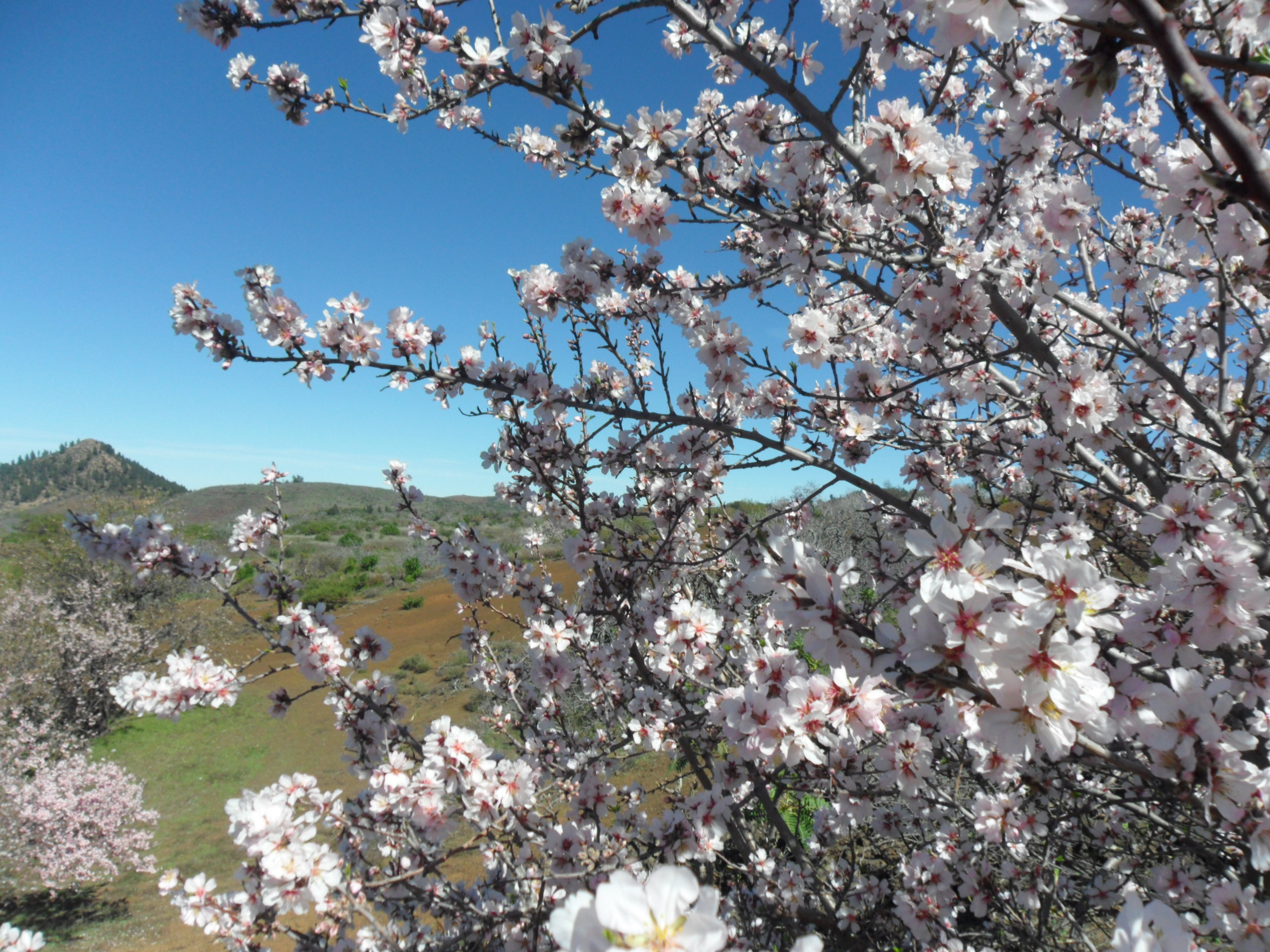
    Twenty minutes up the road from Los Gigantes, at 900 metres, the village of Santiago del Teide spends most of the year being pleasantly overlooked. Then, somewhere between late January and mid-March, thousands of almond trees across the valley open at once — pink and white bloom against terraces of black volcanic rock — and the village hosts one of Tenerife’s most photogenic small traditions. It lands precisely in the low season, when flights and stays cost least, which makes it one of the best reasons on the island to book a winter week.

    When the trees perform

    Flowering runs from late January through early March, peaking in February, but the exact window moves with each winter’s temperature and rain, and a windy week can strip the petals early. Different corners of the valley also peak at different moments, which stretches the season for visitors. The reliable move: ring or drop by the village tourist office opposite the church (+34 922 86 03 48) and ask how the bloom is running before you drive up.

    The blossom walk

    The classic Ruta del Almendro en Flor leaves from the church square in Santiago del Teide and works its way through El Molledo and Las Manchas towards the pottery village of Arguayo: around eight to nine kilometres of well-signposted trail over agricultural terraces and old lava fields, moderate going, three to four hours. A shorter circular via Valle de Arriba takes about three and a half; the full one-way to Arguayo suits those happy to come back by bus (the tourist office keeps timetables). Park by the plaza, and carry water and sun protection — shade is scarce — then go midweek if you want the paths to yourselves, since the guided groups and markets all concentrate on weekends.

    The February campaign

    The village makes a month of it. The Campaña Almendro en Flor (the 29th edition ran from 24 January to 22 February 2026) wraps the bloom in guided Saturday walks — long, short, family, even a Valentine’s “lovers” route and an accessible seniors’ route — plus weekend agro-artisan markets on the plaza from 9:00 to 18:00, folklore evenings, and workshops on things like traditional truchas pastries and almond cocktails. Guided routes need advance booking through the town hall’s culture department and places are limited. A parallel Gastro-Ruta signs up village restaurants and cafés to serve almond-themed menus, tapas and breakfasts; ten took part in 2026, from La Casona del Patio down to the café in Arguayo. About a dozen shops stock almond sweets during the campaign: almendrados, almond torte, the little pastry parcels for a few euros. The 30th edition should run late January to late February 2027 — check santiagodelteide.es nearer the time.

    Why almonds, and why the black rock

    The two halves of the postcard have separate stories. The almonds arrived as economics: when the Canary cochineal-dye trade collapsed in the late nineteenth century, valley farmers turned to almond trees, and for generations the harvest was the main livelihood. The black backdrop came later. On 18 November 1909 the Chinyero volcano just above the valley produced Tenerife’s most recent eruption — ten days of lava that took no lives but left the young, dark malpaís the blossom now flowers against. A wayside shrine at Los Baldíos still marks where locals gathered to pray as the flow approached; they credit the prayer with stopping it.

    Make a day of it

    The blossom is the headline, but the valley fills a day without effort. A signposted trail links the village square to the circular path around the 1909 volcano itself, roughly 8 km and around three hours from the plaza, through pines and raw lava. At the far end of the long blossom route, the Cha Domitila pottery centre in Arguayo keeps the pre-Hispanic hand-shaping tradition alive; entry is free, and it closes on Mondays.

    February is the one month the valley’s kitchens compete over almonds, though outside the Gastro-Ruta the village restaurants around the plaza are still worth the drive. For photographs, go early, while the light is low and the air clearest, and shoot the blossom against the dark lava rather than the sky.

    Photo: Elimedina, CC BY-SA 4.0 (https://creativecommons.org/licenses/by-sa/4.0), via Wikimedia Commons
  • Fiestas around Los Gigantes: the local calendar

    Fiestas around Los Gigantes: the local calendar

    Spanish village life still runs on its fiesta calendar, and the municipality of Santiago del Teide (Los Gigantes included) keeps a busy one. Exact dates shift a little every year and full programmes usually appear only a week or two beforehand, so this guide explains how each celebration works and where to check the current dates: the town hall’s site (santiagodelteide.es) and its Facebook page publish official programmes, lagenda.org aggregates them day by day, and webtenerife.com covers the island-scale events in English.

    July: the Virgin goes to sea

    The one to plan around is the Fiestas del Carmen in Puerto de Santiago, a ten-day mid-July celebration of the seafarers’ patron; in 2026 it ran from 10 to 19 July. The rhythm repeats each year: a street procession and fireworks around the Virgin’s feast day on 16 July, a seaside mass at the pier, evenings of live orchestras, and then the finale — the embarcación, when the Virgin’s image boards a boat and sails the coast past Los Gigantes, Alcalá and Playa San Juan accompanied by a flotilla of local craft, returning to paella and music at the dock. The route passes directly beneath the cliffs, which makes Los Gigantes itself one of the best places on the island to watch it. Walk rather than drive to the port on procession days; expect road closures and full car parks.

    The village calendar

    • Late January–February: the Almendro en Flor, the month-long almond blossom campaign in Santiago del Teide village, with guided walks, markets and almond gastronomy. We cover it in its own guide.
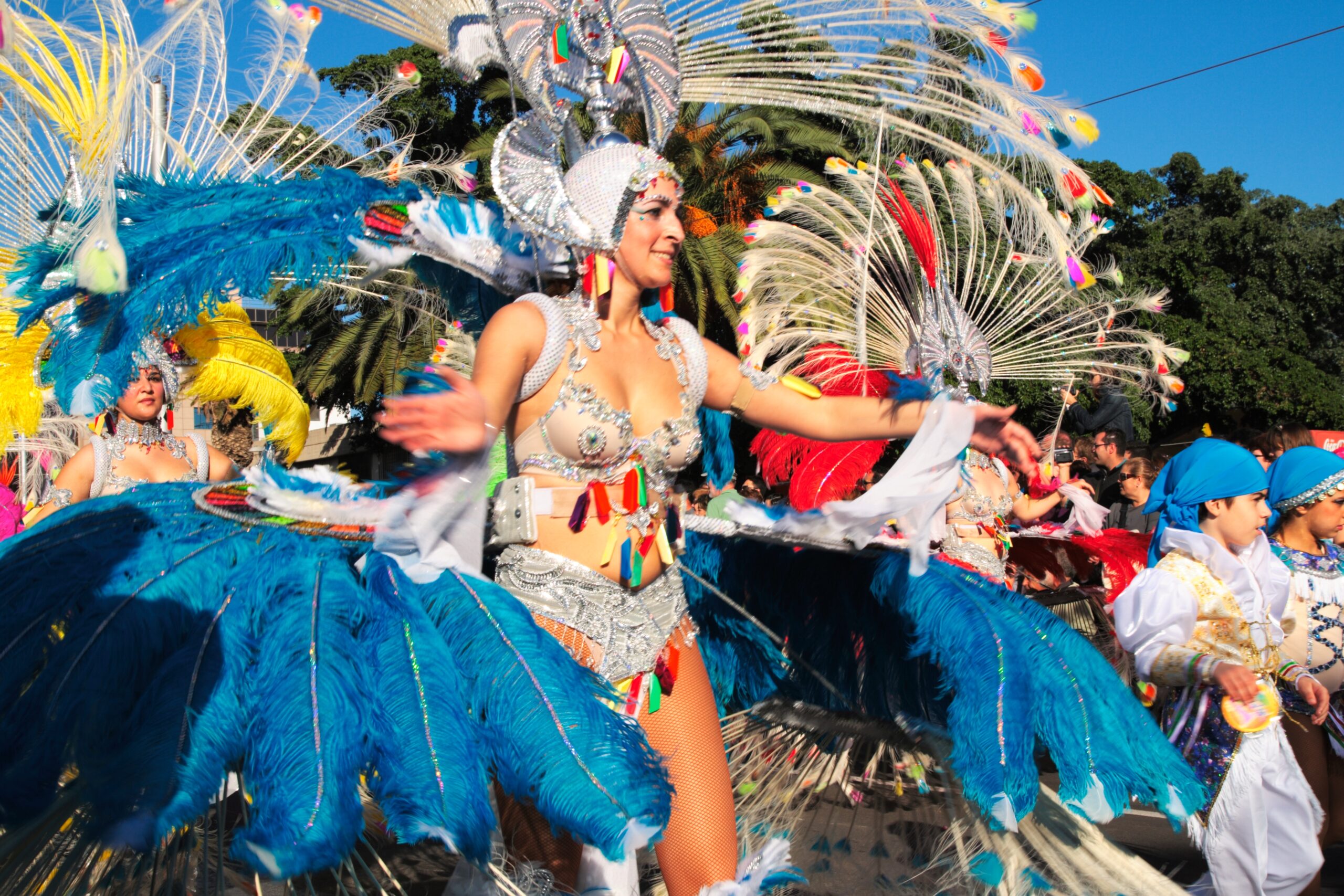
    • Late February–early March brings the Carnaval de Los Gigantes, the resort’s own small carnival with themed galas and street events (the 2026 edition ran from late February to 8 March). A gentler cousin of the Santa Cruz giant below.
    • In May the Rogativa of Valle de Arriba, a centuries-old petition walk, carries the Cristo del Valle to the Los Baldíos shrine, with outdoor mass and a communal meal. Local press describes the municipality as coming to a standstill for it.
    • Late July — patron saints back to back. Santiago del Teide village celebrates Santiago Apóstol around 25 July (pilgrims welcomed at the hillside chapel, folklore night with communal paella, the municipal banner paraded at midday), and Tamaimo follows with Santa Ana around the 26th, known for its processions and serious fireworks.
    • Mid-August: the pottery village of Arguayo honours the Virgen de Candelaria with processions and open-air evenings.
    • Mid-November — the Chinyero commemoration: the municipality marks the anniversary of Tenerife’s last eruption (18 November 1909) with talks, a guided walk over the lava and a procession recalling how villagers carried their saints toward the advancing flow — which stopped.

    Worth the drive

    Four island-scale events reward a day out. The Carnaval de Santa Cruz, widely described as the world’s biggest after Rio, fills the capital for weeks in late winter; street carnival is free and unticketed, the galas sell tickets, and the 2027 street week is already set for 19–28 February, about an hour and a quarter’s drive away. Corpus Christi in La Orotava (a movable feast, usually late May or June) carpets the old town’s streets in flower petals and coloured volcanic sand — the town-hall square tapestry alone justifies the trip. Garachico’s Romería de San Roque on 16 August, half an hour up the coast, is a declared Festival of National Tourist Interest where the saint travels partly by boat. And on 29–30 November, Icod de los Vinos closes its steepest streets for the Tablas de San Andrés, when locals hurtle downhill on waxed wooden boards while the year’s new wine is opened and chestnuts roast — best watched after dark with a cup of country wine in hand.

    A note for light sleepers

    Canarian fiestas are pyrotechnic by conviction. Main fiesta days bring fireworks around midnight, dance orchestras play into the small hours, and some programmes include a dawn wake-up round with drums. If your stay overlaps the mid-July Carmen dates in Puerto de Santiago, treat it as part of the experience, or ask us which of the apartments sits further from the action. And bonfire night here is 23 June, San Juan, when beaches across the island light up to mark midsummer.

    Photo: Joslumefe, CC BY-SA 4.0 (https://creativecommons.org/licenses/by-sa/4.0), via Wikimedia Commons
  • Whale watching from Los Gigantes: resident pilot whales on your doorstep

    Whale watching from Los Gigantes: resident pilot whales on your doorstep

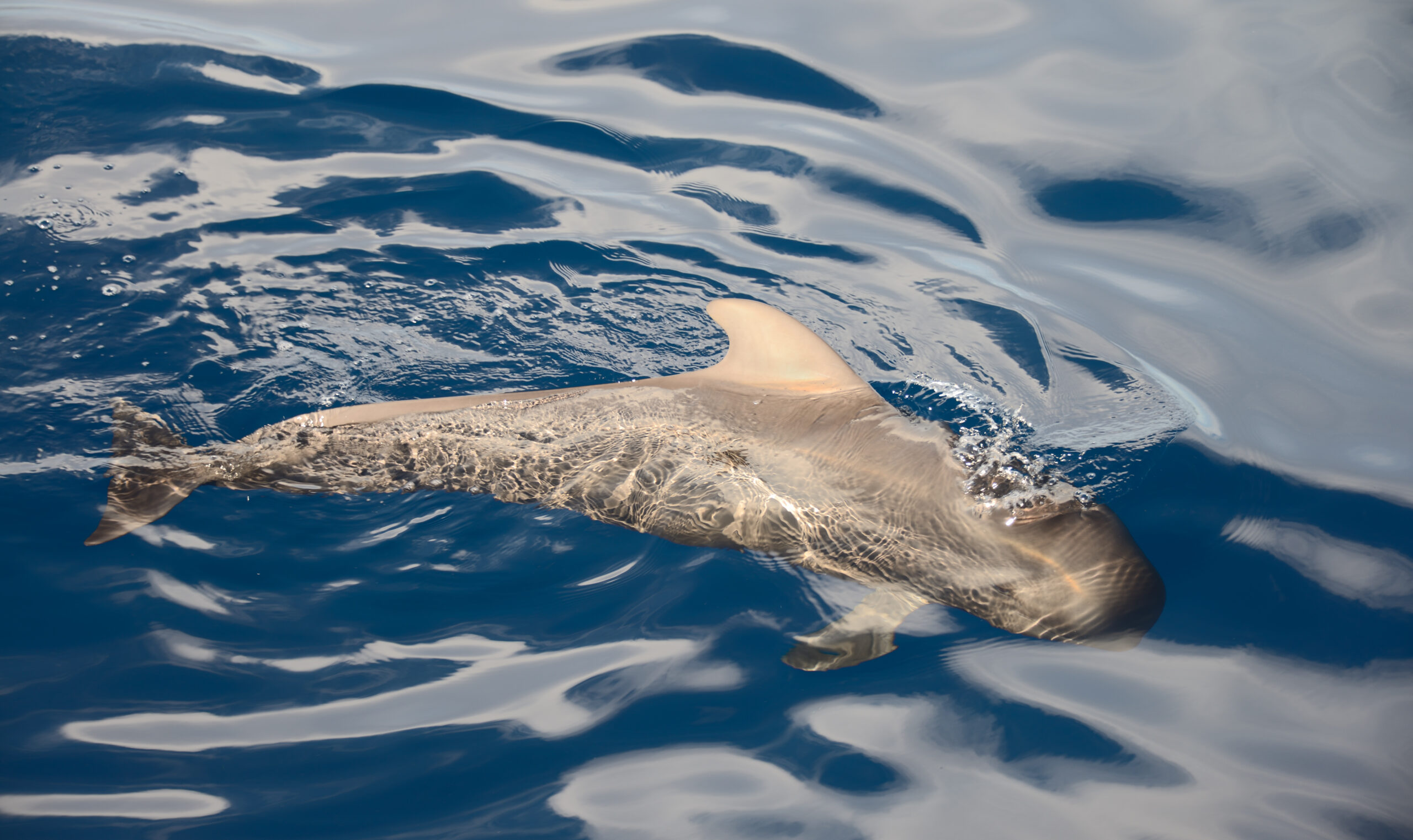
    Most whale-watching destinations sell you a migration window: come in the right month or see nothing. Los Gigantes sells something rarer — residents. Short-finned pilot whales and bottlenose dolphins live in the channel between Tenerife and La Gomera all year round, one of only a handful of resident pilot-whale populations known anywhere in the world. The waters they occupy, the Franja Marina Teno-Rasca, were certified in January 2021 as Europe’s first Whale Heritage Site by the World Cetacean Alliance (some brochures say UNESCO — it is not a UNESCO title). And the boats leave from the marina at the bottom of the hill. Details below are as published in July 2026.

    Who lives out there

    How many pilot whales call the channel home depends on who you ask: tour operators usually say a few hundred, while the most rigorous scientific estimate, a photo-identification study of south-west Tenerife, puts the number somewhere between roughly 600 and 1,200 animals. Either way, family pods of these glossy, blunt-headed hunters rest at the surface by day between deep night-time dives for squid, which is exactly what makes them so watchable. Bottlenose dolphins patrol the same waters. Winter adds variety: sperm whales pass over the deep trenches roughly from December to April, Bryde’s whales are the baleen whale seen most often, and fin whales, spotted dolphins, even the odd orca turn up as bonuses — recorded occasionally, never promised.

    Choosing your boat

    The marina fleet covers every taste, and prices below are the operators’ published rates in July 2026. Flipper Uno, the timber “pirate ship”, is the family crowd-pleaser: the two-hour trip is €33 per adult and €23 per child with drinks included, the three-hour version €40/€25 with paella on board and a swim stop in Masca Bay. Nashira Uno, a motor catamaran with two glass hulls for underwater viewing, sails at 11:00 (three hours, €40/€25 with a meal through booking agents) and 14:00 (two hours) — the glass hulls are a reliable hit with children. At the quiet end of the scale, Picarus Sailing Club runs a sailing catamaran capped at nine passengers, with food prepared on board and the engine off whenever the wind cooperates — the closest thing to drifting silently among the pods; prices are on request. Trips can be booked online, at the marina kiosks for same-day departures, or through the usual platforms — in July, August and around Christmas, book a day or two ahead.

    What to expect out on the water

    Because the whales are residents, operators advertise sighting rates above ninety per cent, and most days deliver. But these are wild animals in a big ocean: blank trips happen, and a company promising a written guarantee is selling weather luck. Mornings are usually the better bet, with calmer sea, softer light and less wind, while afternoons pick up chop as the breeze builds. Winter brings the widest species variety and the biggest chance of a cancelled sailing, in roughly equal measure. If you are prone to seasickness, take the tablet before boarding rather than after the first swell, pick the biggest and most stable boat, skip the heavy breakfast, and keep your eyes on the horizon.

    The rules that keep them wild

    Spanish law (Royal Decree 1727/2007) draws a moving protection zone around every whale and dolphin: boats may not deliberately approach within 60 metres, must drop engines to neutral if animals come closer of their own accord, may stay with a pod for a maximum of about half an hour, and may never feed, touch, chase or swim with the animals — tourists have been fined for exactly that as recently as autumn 2025, when the authorities ran a well-publicised enforcement push. Your best lever as a guest is to choose a boat flying the yellow Barco Azul (Blue Boat) flag, the Canary Government’s authorisation mark for cetacean watching; every operator named above carries it. All the Los Gigantes regulars are also small enough to avoid the crowding problems of the mega-catamarans further south. If you ever find a stranded or injured animal, call 112.

    Practical notes

    • Bring sunscreen and a hat (the glare off the water doubles the dose), a windproof layer even in summer, swimwear and a towel if your trip has a swim stop, and a camera with a strap.
    • Children do well on the catamarans; babies travel free on most boats. If you are pregnant or have limited mobility, ask the operator before booking, as policies differ by boat and sea state.
    • Parking near the marina is the hardest part of the trip, so arrive early — see our parking notes in the getting-here guide, and allow half an hour.
    • With binoculars and patience, pilot whale blows are sometimes visible from the coast itself on calm days. The boat is better.

    Photo: Cayambe, CC BY-SA 3.0 (https://creativecommons.org/licenses/by-sa/3.0), via Wikimedia Commons

  • Teide National Park from Los Gigantes: the western road up

    Teide National Park from Los Gigantes: the western road up

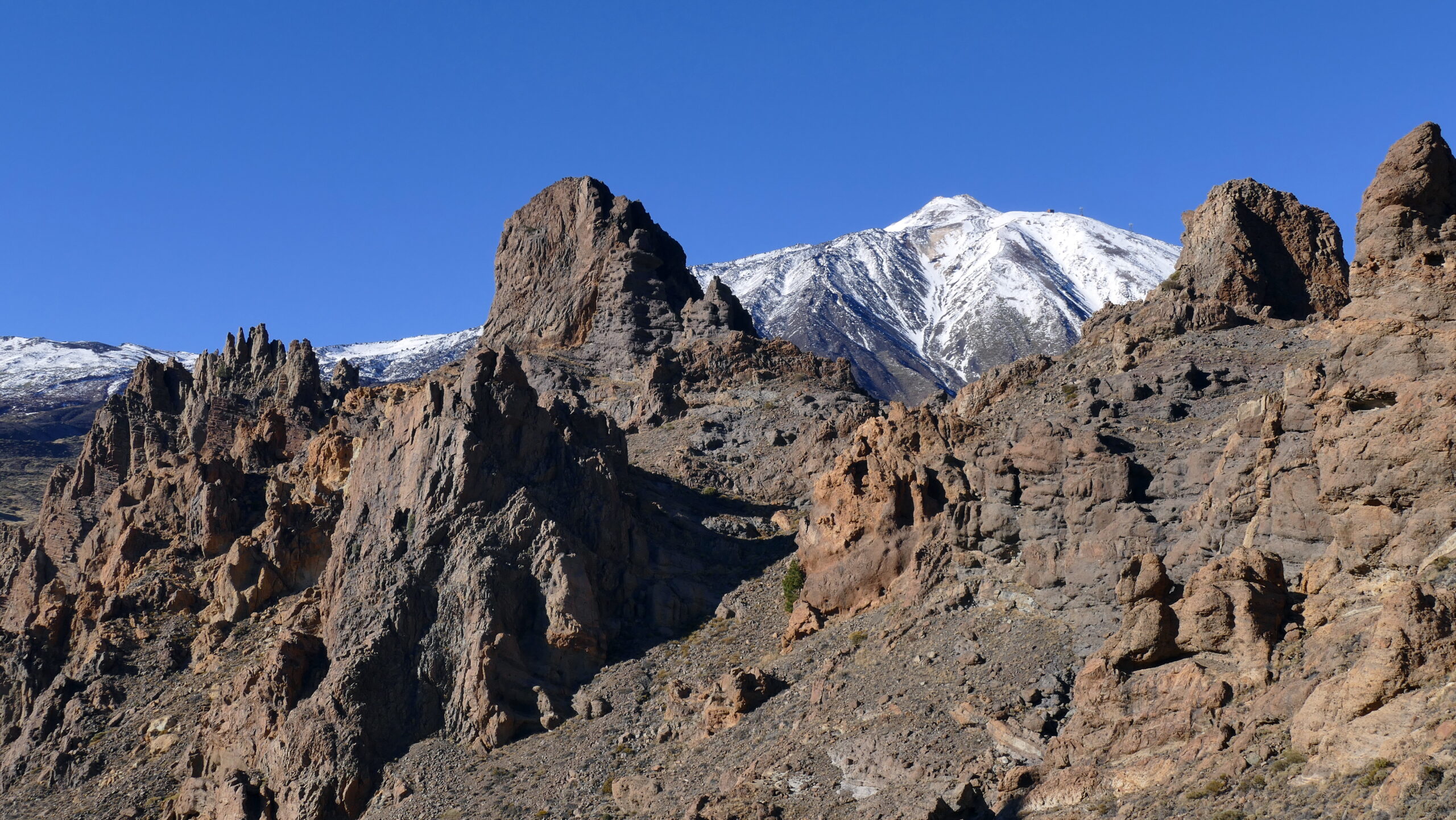
    From Los Gigantes, Teide is not a day trip so much as a commute: about 52 km and an hour and ten minutes, most of it on the TF-38 — the quietest and best-surfaced of the four roads into the national park, climbing through pine forest and then across the bare lava of the 1798 eruption. You leave the coast in beach weather and step out at 2,000 metres into mountain air. A few numbers have changed recently, so everything below is as of July 2026.

    The drive, and where to stop

    The route runs Los Gigantes → Tamaimo (TF-454) → TF-82 past Chío, then the TF-38 all the way up to the Boca Tauce junction inside the caldera. Fill the tank in Tamaimo or Chío — there is no fuel beyond, and none anywhere inside the park. Worthwhile pauses on the way up: the Mirador de Chío for the view back over the Santiago del Teide valley to the sea, the Mirador de Samara (start of a beautiful circular walk over black ash among pines), and the Narices del Teide viewpoint facing the vents of the 1798 eruption. There is no practical public bus from this side of the island (the park bus runs once a day from Costa Adeje), so it is your car or an organised excursion; several coach tours pick up in Los Gigantes and Puerto de Santiago on set days.

    The cable car

    The teleférico climbs from 2,356 m to La Rambleta at 3,555 m in eight minutes. A return is €42 per adult and €21 per child (3–13) at the official site, volcanoteide.com — book online, both for the price and because midday slots sell out. Hours are seasonal, with last ascents mid-to-late afternoon and extended summer closing; the car shuts down in high wind and snow, so check the live “Teide Today” page the same morning — tickets are refundable or reschedulable when it closes. From the top station two short, free trails lead to the Pico Viejo and La Fortaleza viewpoints, no permit needed, and the views over the caldera to La Gomera and Gran Canaria are the postcard everyone came for. The cable car is barred to children under three, pregnant women and people with heart conditions — the altitude is genuine.

    The summit now costs €15 — and sells out

    The final 163 vertical metres from La Rambleta to the crater rim (the Telesforo Bravo trail) have always needed a permit; since 19 January 2026 that permit also carries a fee — €15 for most visitors, €6 for residents of other Canary islands, free for Tenerife residents and under-14s. Only 300 people a day are admitted, in four two-hour slots, booked at tenerifeon.es; new dates are released every Monday at 07:00 Canary time for the following 28 days, and high-season slots go within minutes. Permits are personal — staff check ID at the trail gate — and non-refundable except when weather closes the mountain. The Montaña Blanca ascent path is now fee-controlled in daytime as well, and the Altavista mountain refuge remains closed, so the old overnight route to a permit-free dawn summit is not currently an option. Many guides still describe the permit as free; they are out of date.

    The best of the park without a permit

    • The Roques de García loop is the park’s signature short walk: 3.5 km, about two hours, circling the rock towers (including the Roque Cinchado of old thousand-peseta-note fame) from the La Ruleta car park. Go early or late; the car park fills from mid-morning.
    • Alto de Guajara (2,718 m) — the island’s third-highest summit and the single best frontal view of Teide, reached on foot from the caldera floor. A proper half-day hike, no permit, no fee.
    • The Samara circuit covers the western volcano field nearest Los Gigantes, an easy loop over ash and lava with huge views, straight off the TF-38.
    • La Rambleta viewpoints, included with any cable-car ticket, as above.

    Altitude, cold and the diving rule

    At 3,555 m the air carries roughly forty per cent less oxygen than the coast, and it shows: expect breathlessness on the mildest slope, drink water, skip the alcohol, and descend if a headache builds. Budget for a temperature some 10–15 °C below the coast plus wind chill (below freezing with snow is normal in winter), and remember the UV at altitude is ferocious even when the air feels cool. One rule matters especially in a diving town like ours: going up Teide counts as going to altitude, so after scuba diving apply the same waits as for flying — at least 12 hours after a single dive, 18 after repeated days, more after decompression dives. The cable car does not care that you feel fine. In winter, check the Cabildo road information or dial 012 before setting out: the TF-21 and TF-38 close for snow and ice, sometimes for days after a storm.

    Stay for the stars

    The park has been a certified Starlight Tourist Destination since 2014, with some of the clearest night skies in Europe — the observatory on the neighbouring ridge is there for a reason. The organised route is a sunset-and-stargazing tour with telescopes and certified guides (the cable-car operator’s version runs around €70 per adult; several independents sell similar evenings from about €35 — check current prices when booking). The do-it-yourself version is free. Drive up after dark, park at a marked layby such as the Minas de San José, or stop at the Mirador de Samara on the way home, and give your eyes twenty minutes. Aim for the days around new moon if the Milky Way is the goal; a full moon turns the lava fields silver instead, which is its own show.

    Photo: Puusterke, CC BY-SA 4.0 (https://creativecommons.org/licenses/by-sa/4.0), via Wikimedia Commons
  • A day on La Gomera from Los Gigantes

    A day on La Gomera from Los Gigantes

    The island you watch the sun set behind every evening is closer than it looks. From Los Gigantes it is thirty-five minutes down the coast to Los Cristianos harbour, then a fifty-minute ferry across the channel to San Sebastián de La Gomera — and the crossing itself runs straight through the waters of Europe’s first Whale Heritage Site, so claim a spot on deck and watch for pilot whales on the way. What follows is the day-trip playbook, with schedules and prices as checked in July 2026 — both change with the season, so reconfirm for your date.

    The ferries

    Two operators, Fred. Olsen Express and Naviera Armas, run up to eight fast crossings a day between them. On weekdays the workable pattern is out at 09:15–09:30 and back on the last sailings at 17:00–17:30, which buys you six and a half to seven hours ashore; Sundays stretch the day, with final returns around 20:00–20:30. A foot-passenger return runs about €85–90; taking a car adds very roughly €50–150 each way depending on date and demand. Book ahead in summer and arrive early — boarding queues can be slow. One piece of trivia for the crossing: Fred. Olsen’s Benchijigua Express was, at delivery, the largest trimaran ferry ever built, and the hull design of the US Navy’s Independence-class warships descends from it. You are commuting on naval architecture.

    Car, coach or on foot

    To see the forest you need wheels. The straightforward option is renting on La Gomera: CICAR has offices at the San Sebastián port, but the fleet genuinely sells out in high season, so book when you book the ferry. Taking your Tenerife hire car across is possible only with the right company: CICAR permits it with prior notice; with other firms assume no unless you hold written confirmation. The zero-effort alternative is an organised day tour from Tenerife (around €100–115 including ferry, coach, guide, lunch and a whistling demonstration), though pickups concentrate on the southern resorts, so check whether Los Gigantes is served or drive yourself to the port. And if you would rather not plan at all, San Sebastián alone fills a relaxed half-day on foot.

    One day, one loop — do not try to see it all

    La Gomera’s distances deceive: the roads coil through ravines and 25 km can take fifty minutes, so a single day supports one loop, done well. The classic version climbs the GM-2 to the Degollada de Peraza viewpoint, pauses below the rock monolith of Roque de Agando, then heads into Garajonay National Park — a UNESCO World Heritage Site since 1986, preserving the finest surviving laurel cloud-forest on Earth, a green relic of the subtropical woods that covered southern Europe millions of years ago. Walk the short summit trail to Alto de Garajonay (1,487 m, the island’s highest point) or the easy circuit at Laguna Grande, where there is also a restaurant among the trees, then wind back down for the evening boat. The alternative loop heads north instead — Agulo’s old town, the glass skywalk at Mirador de Abrante hanging 200 metres over the village, and the Juego de Bolas visitor centre. Valle Gran Rey, the famous western valley, is the thing to leave for another trip: it sits at the far end of the island and eats the whole day in driving.

    The whistling island

    Silbo Gomero, the island’s whistled language, turns whole Spanish sentences into whistles that carry for kilometres across the ravines — UNESCO listed it as Intangible Cultural Heritage in 2009, and every Gomeran child has learned it at school since 1999, a rescue few endangered languages ever get. The reliable places to hear it are the Mirador de Abrante and Restaurante Las Rosas near Agulo, where whistlers demonstrate over lunch — both cater heavily to tour groups, so independent visitors should call ahead or ask about times on arrival.

    San Sebastián on foot

    The little capital wears its history lightly. This was Christopher Columbus’s final port of call: his fleet sailed from here on 6 September 1492 into the unknown, and the town has styled itself the Isla Colombina ever since. The Torre del Conde (1450s) is the oldest surviving fortification in the Canaries; the Casa de Colón, where the navigator is said to have lodged, hosts a small exhibition; and the well in the old customs house bears the confident plaque that “with this water America was baptised” — tradition rather than court-proof documentation, and better for it. Round it off at Playa de la Cueva, the town beach by the harbour, with Teide filling the horizon across the water. The view alone justifies the ticket.

    Eat it, then pack it

    Two tastes are the island’s own. Almogrote is a fierce, spreadable paste of cured goat’s cheese, peppers and garlic — order it on toasted bread anywhere, then buy artisan jars at the San Sebastián market before the evening boat. Miel de palma is not honey at all but palm sap reduced to a dark, smoky syrup; drizzle it over cheese or desserts and you will want a bottle for home. Both travel well in hand luggage back across the channel.

    Practical notes

    Pack a layer, because the summits sit in the trade-wind cloud, and that cool mist is precisely what waters the laurel forest; sunny coasts and foggy heights on the same day are normal. Fuel up in San Sebastián before climbing, since stations are scarce inland and most close on Sundays, and download offline maps rather than counting on phone signal in the barrancos.

    One last timing note. Missing the last ferry means a night on the island — pleasant, but unplanned. Build in an hour of slack; the drive back to the port always takes longer than the map says.

    Photo: Bybbisch94, Christian Gebhardt, CC BY-SA 4.0 (https://creativecommons.org/licenses/by-sa/4.0), via Wikimedia Commons
  • Los Gigantes weather, month by month: when to visit

    Los Gigantes weather, month by month: when to visit

    First, a confession most weather pages skip: Los Gigantes has no official weather station. Many sites quietly serve figures for the municipality of Santiago del Teide (whose main town sits at 935 metres and is genuinely cool and damp in winter), which is how the internet ends up claiming January highs of 13 °C for a coast where you will be eating lunch outside in a T-shirt. The figures below use the nearest comparable leeward-coast station, Tenerife South airport (AEMET climate normals), plus cross-checked sea temperatures, and they match what guests actually experience here, as of July 2026.

    Why this corner stays sunny

    Tenerife’s weather is a tale of two coasts. The trade winds arrive from the north-east loaded with Atlantic moisture, pile their cloud against the island’s northern slopes, and leave the south and west in the sunshine behind the mountains. Los Gigantes sits in the lee of both Teide and the Teno massif — sheltered from the prevailing wind, on the coast that gets the sun while the north gets the “sea of clouds”. Calling it the island’s best microclimate, as brochures like to, is a superlative nobody can referee (the south coast is comparably sunny), but “one of the sunniest, most sheltered corners of Tenerife” is simply what the geography does. The shelter only works against the north-east wind, though. Winter swells arrive from the west and north-west, and those do reach this coast — more on that below.

    The numbers, month by month

    MonthDay / night °CSea °CRain daysSun h/day
    January21–22 / 1520~26–7
    February22 / 1519–20~27
    March23 / 15–1619~27
    April23 / 1619–20~17
    May24 / 1720–21<18
    June25 / 1921–22~08–9
    July27–28 / 2022–23~09–10
    August28–29 / 2123<19–10
    September28 / 2124~17
    October27 / 2023–24~27
    November25 / 1822–23~26
    December23 / 16–1721~3–46

    Air temperatures and rain days are AEMET normals measured at Tenerife South airport, the nearest station on the same dry leeward coast; the coast here runs within a degree or two of them. The whole year delivers roughly 132 mm of rain, about a fifth of London’s annual total, and the sea never drops below about 19 °C, warmest from September to October. There is no month in which you cannot swim, dive or sit on a terrace at lunch.

    What the brochure will not tell you

    Calima. A few times a year, most often between January and March, the trade winds falter and hot, dusty Saharan air slides across the islands: hazy skies, temperatures up, visibility down. A typical episode lasts three to five days, and summer calimas are what push the thermometer past 30 °C. If you have asthma or another respiratory condition, plan indoor days when one hits — the dust is a documented irritant.

    Winter swell. From roughly November to February, Atlantic storms send serious waves at the west and north coasts. In November 2025 three people died in Tenerife when four-metre waves swept exposed shorelines, and the storms that followed brought maximum alerts and seas forecast at five to seven metres. On big-swell days boat trips may be cancelled, natural pools close, beaches fly red flags — and the sea edge is no place for a photograph. Watching the Atlantic hammer the cliffs from a safe terrace, on the other hand, is winter theatre.

    Rain, briefly. November and December are the “wet” months at two to four rain days each; an Atlantic front can write off a day or three. It passes, and the terraces refill.

    The winter bonuses

    Cold snaps up on Teide turn into postcards down here: snow on the summit is visible from the coast, palm trees in the foreground. December 2025 brought the volcano’s heaviest snowfall in around nine years — so popular that the Cabildo ran shuttle buses. If you drive up to touch it, build in flexibility: the access roads and cable car close during and after snowfalls. The other January–February spectacle is gentler: the almond trees around Santiago del Teide village, twenty minutes uphill from the coast, flower from late January to early March, with a signposted 9 km blossom walk from the village church towards Arguayo and an annual festival in February. It is the prettiest low-season reason on the island to be here precisely when flights and stays cost least.

    Crowds and prices

    The Canaries invert the Mediterranean calendar: winter sun is the classic peak, so December to March runs busy, with premiums at Christmas and New Year, February (school half-terms plus Carnival season) and Easter week. July and August bring the school-holiday crowds, and late October adds a half-term bump. The quiet, good-value windows are after Easter to mid-June and from mid-September to early December — industry sources put shoulder-season accommodation substantially below peak rates, and the weather table above shows how little you sacrifice: a May day here is 24 °C and rain-free.

    What each season means for plans

    Whale and dolphin trips run all year, because the pilot whales are residents, not migrants — though individual sailings cancel on big-swell days in winter. Hiking is at its best in spring and autumn, warm rather than hot, with the hills greening up after winter rain; note that Masca gorge needs advance booking, runs Friday to Sunday only, and closes at short notice on rain or wind alerts. Swimming and snorkelling peak from August to October, when the sea is calmest and at its 23–24 °C warmest.

    Teide is glorious in winter snow, but plan a backup day, since roads and the cable car close in rough weather. And February earns a special mention: almond blossom, Carnival on the island, whale variety at its winter peak, and shoulder-season prices either side of half-term.

    There is no bad month here. Winter is spring, summer is dry and moderated by the ocean, and the worst the year throws at this coast is a hazy week of desert dust and a few theatrical days of Atlantic swell. Pick your month by what you plan to do; the sun, as the table above shows, is close to a constant.

    Photo: dronepicr, CC BY 2.0 (https://creativecommons.org/licenses/by/2.0), via Wikimedia Commons